In today’s interconnected world, a robust branding strategy isn’t merely a marketing tactic; it’s a fundamental component of organizational success, regardless of scale or sector. From multinational corporations to small, local enterprises, crafting a compelling brand identity is paramount for establishing trust, attracting customers, and achieving sustainable growth. Understanding the nuances of branding strategy is therefore critical for leaders and innovators seeking to navigate an increasingly competitive global landscape.
The importance of a well-defined branding strategy extends beyond commercial endeavors. Non-profit organizations, governmental bodies, and even individuals leverage branding to shape perceptions, build credibility, and mobilize support for their causes. The rise of conscious consumerism and social responsibility further underscores the need for brands to articulate their values and demonstrate a genuine commitment to ethical practices. A strong brand acts as a promise, and fulfilling that promise builds lasting relationships.
Ultimately, investing in a comprehensive branding strategy delivers a substantial return on investment. It fosters brand loyalty, enhances market positioning, and provides a distinct competitive advantage. It’s not simply about what you do, but how you are perceived—and that perception is carefully cultivated through strategic branding efforts.
The Core Principles of Branding Strategy
At its core, a successful branding strategy relies on clarity and consistency. It begins with a deep understanding of your target audience – their needs, desires, and pain points. This insight informs every aspect of your brand, from the visual identity to the messaging and customer experience. Without this foundational understanding, branding efforts risk being misdirected and ineffective.
Furthermore, authenticity is paramount. Consumers are increasingly discerning and can easily detect inauthenticity. A genuine brand reflects its core values, operates with integrity, and builds trust through transparent communication. This authenticity isn't just about avoiding falsehoods; it’s about living up to the promises you make.
Defining Your Brand Identity
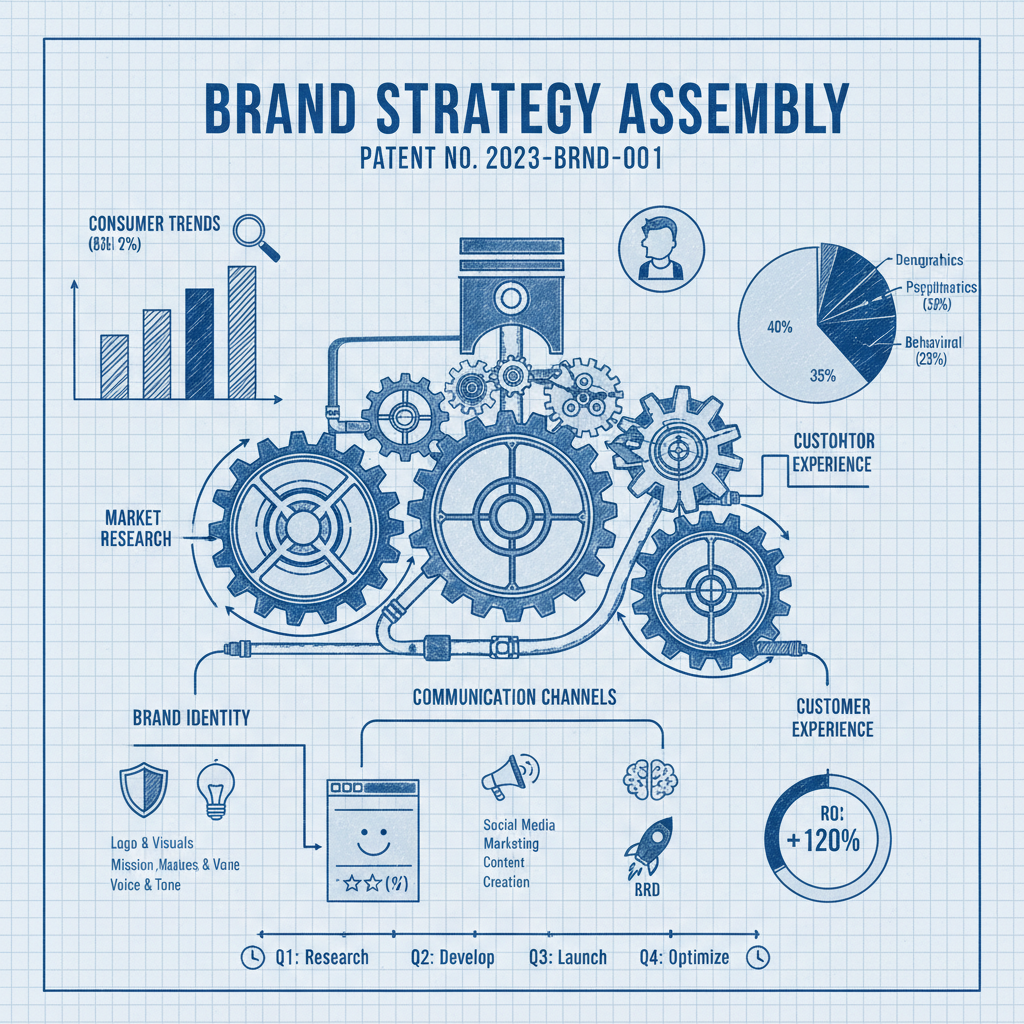
Defining your brand identity is the crucial first step in developing a robust branding strategy. This involves articulating your brand’s mission, vision, and values – the fundamental principles that guide your organization. It's about answering the question: "What do we stand for?" Your brand identity should be aspirational, reflecting not only what you are today but also what you strive to become.
Beyond the core principles, a strong brand identity encompasses your brand personality – the human characteristics you associate with your brand. Are you playful and innovative? Serious and reliable? Sophisticated and elegant? This personality should resonate with your target audience and differentiate you from competitors.
Finally, a visual identity is an essential component of your brand. This includes your logo, color palette, typography, and imagery. These elements work together to create a cohesive and recognizable brand aesthetic that reinforces your message and evokes the desired emotions.
Key Elements of a Successful Branding Strategy
A successful branding strategy isn’t a static document; it's a dynamic framework that evolves with your business and the market. Several key elements contribute to its effectiveness, including a clearly defined target audience, a compelling brand story, and consistent brand messaging across all touchpoints.
Another crucial element is competitive analysis. Understanding your competitors’ strengths and weaknesses allows you to identify opportunities to differentiate your brand and carve out a unique position in the market. This doesn’t necessarily mean directly attacking competitors; it often means focusing on underserved needs or offering a superior customer experience.
Finally, monitoring and measurement are essential for ensuring your branding strategy remains effective. Tracking key metrics like brand awareness, customer perception, and market share allows you to identify areas for improvement and adjust your strategy accordingly. Data-driven insights are critical for optimizing your branding efforts.
Global Applications of Branding Strategies
The principles of branding strategy are universally applicable, although their implementation must be tailored to specific cultural contexts. In emerging markets, for example, building trust and establishing credibility are often paramount due to a lack of established consumer protections. Brands may need to invest heavily in community engagement and social responsibility initiatives to gain acceptance.
In developed markets, differentiation and innovation are often key drivers of success. Brands must constantly strive to offer unique value propositions and anticipate changing consumer needs. This might involve investing in research and development, exploring new technologies, or adopting sustainable business practices.
Effectiveness of Branding Strategy Methods
The Long-Term Value of Consistent Branding
Consistent branding builds recognition and recall, making your brand top-of-mind for consumers. This familiarity breeds trust, which is a key driver of purchasing decisions. A consistent brand experience across all channels – from your website to your social media to your customer service – reinforces your message and strengthens your reputation.
Furthermore, a strong and consistent brand allows you to command premium pricing. Consumers are often willing to pay more for brands they trust and perceive as offering superior value. This price premium can significantly boost your profitability and provide a competitive advantage.
Emerging Trends in Branding Strategy
Several key trends are shaping the future of branding strategy. Personalization is becoming increasingly important, with brands leveraging data and technology to deliver tailored experiences to individual customers. Authenticity and transparency remain paramount, as consumers demand greater accountability from the brands they support.
The rise of purpose-driven branding is another significant trend. Consumers are increasingly drawn to brands that align with their values and demonstrate a commitment to social and environmental responsibility. Brands that can effectively communicate their purpose and impact are likely to resonate with this growing segment of the market.
Finally, the metaverse and Web3 technologies are creating new opportunities for brands to engage with consumers in immersive and interactive ways. Brands are experimenting with virtual experiences, NFTs, and decentralized marketing strategies to build brand loyalty and create new revenue streams.
Challenges and Solutions in Branding Implementation
Implementing a branding strategy is not without its challenges. One common obstacle is internal resistance to change. Employees may be accustomed to existing ways of doing things and hesitant to embrace new branding initiatives. Effective communication and leadership are crucial for overcoming this resistance.
Another challenge is maintaining consistency across a large organization. Different departments or regions may have their own ideas about how the brand should be represented. Establishing clear brand guidelines and providing training to employees can help ensure consistency.
Finally, measuring the ROI of branding investments can be difficult. Traditional marketing metrics may not fully capture the long-term value of a strong brand. It’s important to track both quantitative and qualitative data to assess the impact of your branding efforts.
Summary of Branding Implementation Challenges and Solutions
| Challenge |
Impact on Branding |
Solution |
Implementation Priority |
| Internal Resistance to Change |
Slows adoption and dilutes brand messaging |
Leadership communication, employee training |
High |
| Inconsistent Brand Representation |
Weakens brand identity and confuses customers |
Comprehensive brand guidelines, centralized asset management |
High |
| Difficulty Measuring ROI |
Makes it hard to justify branding investments |
Track brand awareness, customer perception, sales lift |
Medium |
| Lack of Market Research |
Branding strategy may not resonate with target audience |
Conduct thorough market research and competitor analysis |
High |
| Budget Constraints |
Limits the scope of branding initiatives |
Prioritize high-impact activities, explore cost-effective solutions |
Medium |
| Rapid Market Changes |
Branding strategy may become outdated quickly |
Regularly review and adapt branding strategy based on market trends |
Medium |
FAQS
While often used interchangeably, brand identity is what your brand stands for—the visual and verbal elements. A branding strategy is how you communicate and build that identity over time. The strategy encompasses research, target audience analysis, messaging, and the overall plan to shape perceptions and build relationships. It's the roadmap, and the identity is a key part of that roadmap's execution.
A comprehensive review of your branding strategy should occur at least every 3-5 years. However, it’s crucial to conduct smaller, more frequent assessments – quarterly or annually – to track performance, identify emerging trends, and make adjustments as needed. Major disruptions in your industry or shifts in consumer behavior necessitate a more immediate review.
Social media is integral to contemporary branding. It provides a direct line of communication with your target audience, enables you to build brand awareness, and facilitates engagement. A successful social media strategy aligns with your overall branding objectives, delivers consistent messaging, and encourages meaningful interactions with followers.
Small businesses can compete by focusing on niche markets, building strong community relationships, and emphasizing authenticity. Leveraging social media, delivering exceptional customer service, and developing a unique brand personality can help differentiate a small business from larger competitors. Agility and responsiveness are also key advantages.
Brand voice defines how you communicate with your audience. Is it formal or casual, technical or approachable, humorous or serious? A consistent brand voice strengthens brand recognition, builds trust, and creates a distinct personality. It should reflect your brand values and resonate with your target audience.
Success is measured through a mix of metrics. These include brand awareness (surveys, social media mentions), brand perception (customer feedback, sentiment analysis), customer loyalty (repeat purchase rates, customer lifetime value), and ultimately, sales growth. Tracking these metrics over time provides insights into the effectiveness of your branding efforts.
Conclusion
In conclusion, a well-defined and consistently executed branding strategy is no longer a luxury but a necessity for organizations seeking to thrive in today’s competitive landscape. It’s a holistic approach that encompasses everything from your brand identity and messaging to your customer experience and values. Investing in branding yields long-term benefits – increased brand recognition, customer loyalty, and ultimately, sustainable growth.
Looking ahead, brands must embrace innovation, adapt to changing consumer expectations, and prioritize authenticity and purpose. By continually refining their strategies and leveraging emerging technologies, organizations can build enduring brands that resonate with audiences and create lasting value. To learn more about developing a tailored branding strategy for your business, visit our website: www.ecglobaladvisor.com