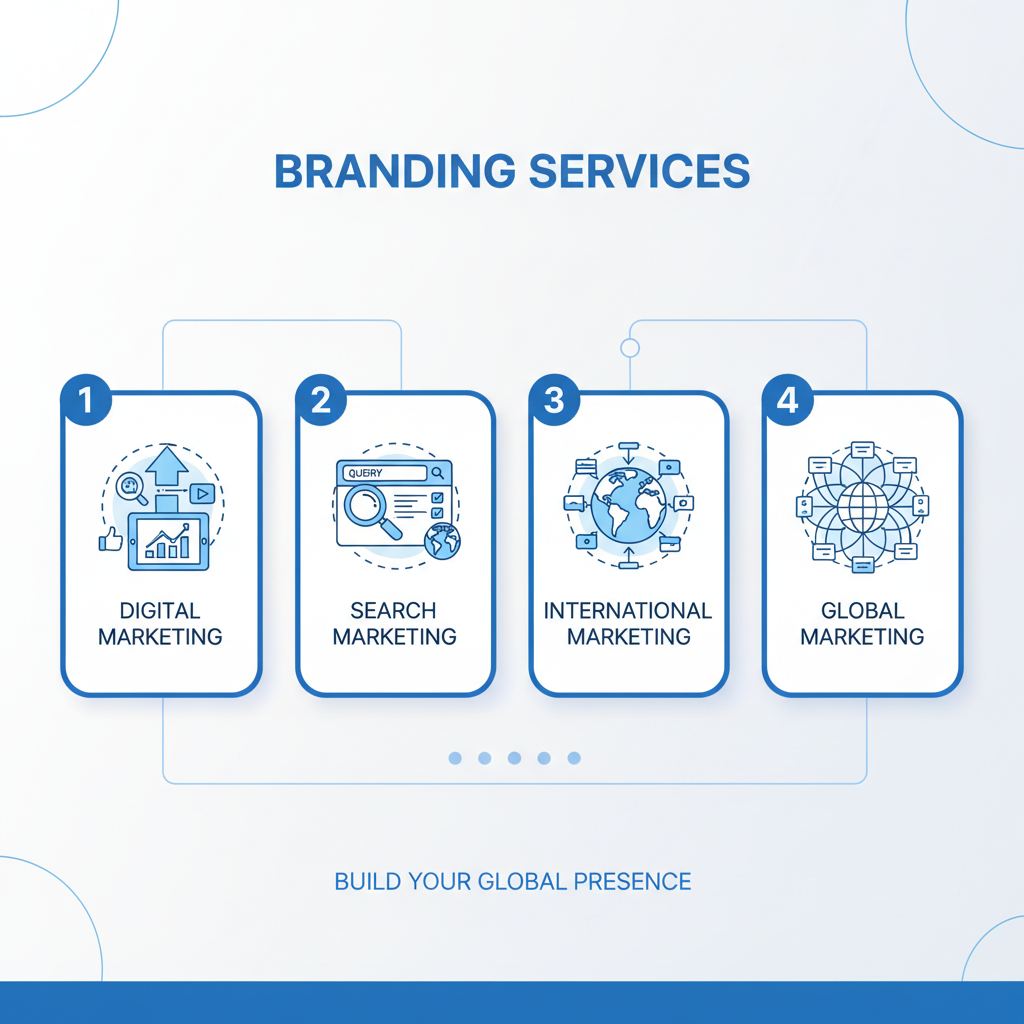
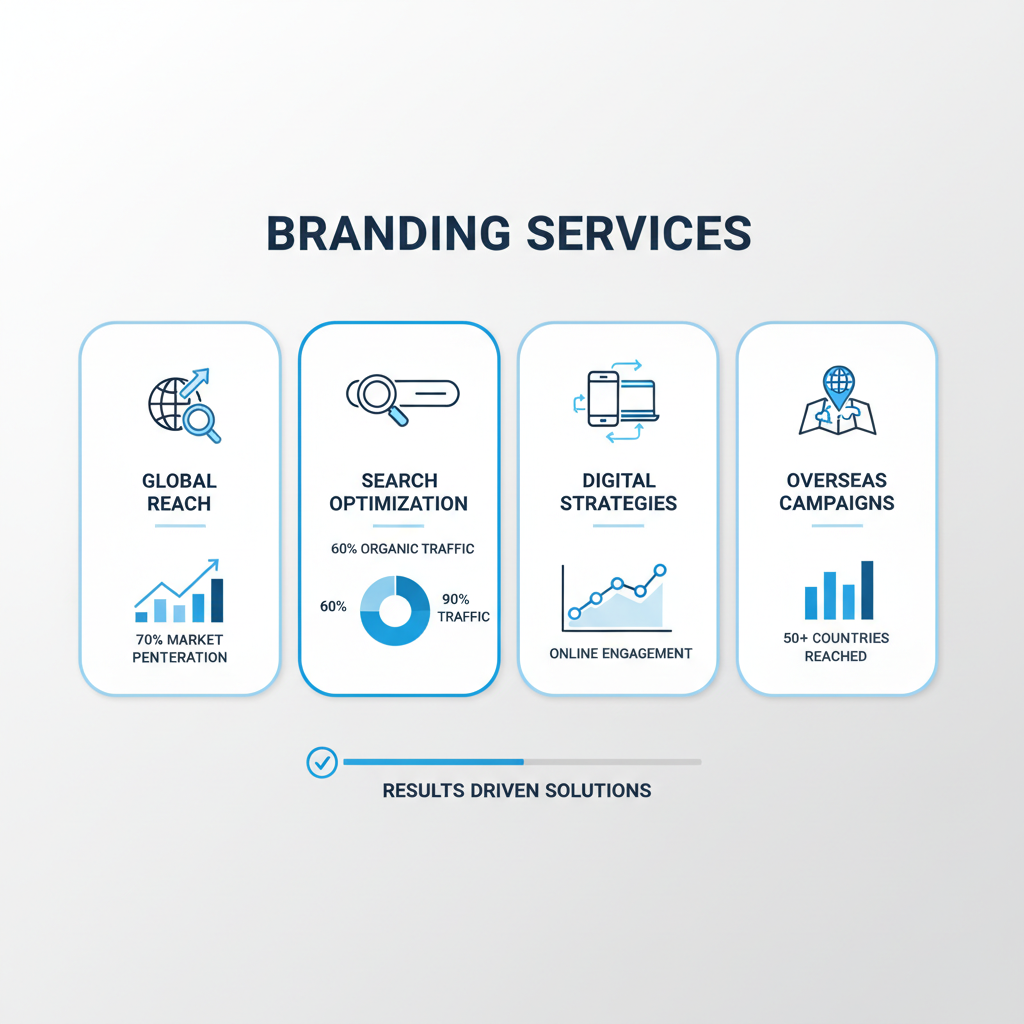
Look, branding services aren't just about pretty logos and catchy slogans anymore. It's about building trust in a world that's increasingly skeptical. In today’s global market, a strong brand is the bedrock of any successful venture, differentiating businesses and fostering lasting customer relationships. It’s the difference between being a commodity and being a trusted partner, especially when navigating complex international landscapes. It’s vital for everything from attracting investment to securing key partnerships, and frankly, it's often overlooked until it’s too late.
We're seeing a massive shift in how consumers – and businesses – make decisions. It’s no longer purely about price or features; it's about values, authenticity, and a consistent experience. A well-defined branding strategy provides that consistency. Think about the big players, the ones that command premium pricing. They've invested heavily in crafting a narrative that resonates with their target audience. Ignoring branding services is like building a house on sand – it might stand for a little while, but it won’t weather the storms.
And the impact extends far beyond just bottom-line profits. Strong branding builds brand equity, a valuable intangible asset. This equity is crucial for expanding into new markets, launching new products, and even weathering crises. In an age of instant information and social media scrutiny, a solid brand reputation can be the difference between survival and obsolescence. It’s about long-term sustainability, not just short-term gains.
The Core Principles of branding services
At its heart, branding services are about shaping perception. It's about understanding what a company stands for and then communicating that clearly and consistently to the world. It's not about just making something look good; it's about building a deep, emotional connection with your audience. You've got to figure out what makes a client different, what their unique selling proposition is, and then hammer that home in every interaction.
A solid branding strategy needs to be built on a foundation of research. You need to understand your target market, your competitors, and the overall landscape. That means spending time talking to customers, analyzing data, and staying ahead of the curve. Then, it’s about crafting a visual identity, a brand voice, and a messaging framework that resonates with that audience. A poorly defined brand ends up talking to no one effectively.
The Global Impact of Effective Branding
The need for robust branding services isn’t limited to developed nations. In fact, it’s arguably more critical in emerging markets. When entering a new territory, a strong brand can cut through the noise and establish credibility where there previously was none. Think about the growth of Asian brands – they haven’t just replicated Western models, they’ve created something distinctly their own, and branding has been central to that success.
According to the UN, effective branding can contribute significantly to sustainable development goals, particularly those related to economic growth and poverty reduction. When businesses build strong brands, they attract investment, create jobs, and foster economic activity. Furthermore, a strong brand can help a company navigate complex regulatory environments and build relationships with local stakeholders.
We’re seeing companies increasingly leverage branding to demonstrate their commitment to social responsibility. Consumers are demanding transparency and accountability, and brands that can authentically communicate their values are winning. This isn't just about marketing; it’s about fundamentally changing the way businesses operate.
Defining and Understanding branding services
Simply put, branding services encompass everything a company does to create a unique identity in the marketplace. It's not just the logo or the color palette; it’s the entire customer experience, from the first interaction to the ongoing relationship. This includes brand strategy, visual identity design, messaging development, content creation, and reputation management. It's about building a cohesive and compelling story that resonates with your target audience.
In the modern world, branding is intrinsically linked to digital presence. A strong online identity is no longer optional; it’s essential. This means optimizing your website, managing your social media channels, and ensuring a consistent brand experience across all digital touchpoints. A disjointed digital presence can erode trust and damage your reputation.
Ultimately, branding services aim to build brand equity – the value associated with a brand name. This equity can translate into higher prices, increased customer loyalty, and a competitive advantage. It’s an investment in the long-term health and success of the business. It’s not a cost; it’s an asset.
Key Pillars of Successful Branding Services
There are several core components that underpin effective branding. First, there’s Clarity. You need a crystal-clear understanding of who you are, what you offer, and who you’re serving. Without clarity, everything else falls apart. Second, there’s Consistency. Your brand messaging and visual identity must be consistent across all channels. Inconsistency breeds confusion and erodes trust.
Then there’s Emotional Connection. People don’t buy products or services; they buy into stories and emotions. A successful brand evokes feelings that resonate with its target audience. Fourth, Differentiation is key. You need to stand out from the competition by highlighting your unique value proposition. Finally, Adaptability is crucial. The market is constantly evolving, and your brand needs to be able to adapt and remain relevant.
Branding Services Performance Metrics
Practical Applications of Branding Services Worldwide
In post-disaster relief operations, effective branding can be crucial for building trust with affected communities. Organizations with strong brand reputations are more likely to receive donations and be able to mobilize resources quickly. In remote industrial zones, branding helps companies attract and retain skilled workers, building a positive image in areas where competition for talent is fierce.
We see luxury brands using branding services to maintain exclusivity and justify premium pricing. Conversely, budget airlines rely on branding to convey value and affordability. The principles are the same, but the execution differs significantly. Even non-profit organizations benefit immensely from strategic branding, enhancing their fundraising efforts and expanding their reach.
I’ve seen firsthand how a well-defined brand can make or break a project in a volatile market. It's about more than just aesthetics; it's about creating a sense of security, reliability, and trust. It's about building a reputation that can withstand any challenge.
The Long-Term Value and Advantages of branding services
The tangible benefits of investing in branding services are significant. A strong brand can lead to increased sales, higher profit margins, and reduced marketing costs. But the long-term value goes far beyond financial gains. Building a trusted brand fosters customer loyalty, which is far more valuable than acquiring new customers. Loyal customers become brand advocates, spreading positive word-of-mouth and driving organic growth.
From an emotional perspective, a strong brand can instill a sense of pride and belonging among customers. It creates a community around shared values and experiences. From a logical standpoint, a trusted brand reduces risk and simplifies decision-making. Consumers are more likely to choose a brand they recognize and trust, especially when faced with complex purchasing decisions.
Future Trends and Innovations in branding services
We’re seeing a rise in AI-powered branding tools that can automate tasks like logo design and content creation. However, the human element remains critical. AI can assist, but it can't replace strategic thinking and creative vision. Another trend is the increasing focus on sustainability and ethical branding. Consumers are demanding transparency and accountability, and brands that can demonstrate a commitment to social responsibility are gaining a competitive edge.
Digital transformation is also reshaping the branding landscape. Metaverse and Web3 technologies are creating new opportunities for brands to engage with customers in immersive and interactive ways. The challenge is to integrate these new technologies seamlessly into existing branding strategies. Automation is also streamlining processes and improving efficiency, allowing brands to deliver more personalized experiences.
Finally, the integration of data analytics is becoming essential. Brands are using data to track brand perception, measure campaign effectiveness, and identify opportunities for improvement. This data-driven approach is allowing brands to make more informed decisions and optimize their branding efforts.
Core Challenges and Innovative Solutions in Branding Implementation
| Challenge Area |
Impact on branding services |
Potential Solution |
Implementation Cost (1-10) |
| Maintaining Brand Consistency Globally |
Diluted brand message, loss of trust |
Centralized brand asset management system, clear brand guidelines |
6 |
| Measuring Brand Equity Effectively |
Difficulty proving ROI of branding investments |
Utilize brand tracking studies, social listening tools |
7 |
| Adapting to Rapidly Changing Market Trends |
Brand becoming irrelevant, losing market share |
Agile branding approach, continuous market research |
5 |
| Protecting Brand Reputation Online |
Negative reviews, social media crises |
Proactive reputation management, crisis communication plan |
8 |
| Integrating Offline and Online Branding |
Inconsistent customer experience, diluted brand message |
Omnichannel marketing strategy, unified brand voice |
6 |
| Internal Brand Alignment |
Employees not embodying brand values, inconsistent customer interactions |
Internal branding programs, employee training |
4 |
FAQS
Hands down, it’s treating branding as an afterthought. It’s not something you tack on at the end; it needs to be baked into the core of your business from the very beginning. Too many companies focus solely on product features and forget to build an emotional connection with their audience. That’s a recipe for disaster. You need to define why you exist, not just what you do.
At least every three to five years, but honestly, you should be constantly monitoring your brand perception. The market is always changing, so your branding needs to be flexible enough to adapt. A full overhaul might not be necessary every few years, but regular check-ins and minor adjustments are crucial. It's about staying relevant and avoiding stagnation.
Think of it this way: branding is who you are, marketing is how you tell people about it. Branding is the foundation, the core identity. Marketing is the communication strategy used to promote that identity. They work hand-in-hand, but they’re not the same thing. You can have fantastic marketing, but if your brand isn't solid, it won't resonate.
A logo is important, absolutely, but it’s just one piece of the puzzle. It’s the visual shorthand for your brand, but it doesn’t define it. A great logo can certainly help, but it needs to be supported by a strong brand strategy, consistent messaging, and a positive customer experience. Don’t fall into the trap of thinking a logo alone will fix a branding problem.
That's a tough question to answer with a single number, but the ROI can be significant. Strong branding leads to increased customer loyalty, higher prices, and a competitive advantage. It can also reduce marketing costs in the long run, as a well-established brand benefits from word-of-mouth referrals and organic growth. It's an investment in the future of your business.
Absolutely. Branding isn't just for big corporations. Small businesses especially need to stand out. You don’t necessarily need a massive budget. There are scalable branding solutions available, from DIY tools to affordable agencies. Focus on the core elements – clarity, consistency, and a compelling story – and build from there. Start small and grow strategically.
Conclusion
In conclusion, branding services are no longer a luxury, they’re a necessity. In a crowded marketplace, a strong brand is the key to differentiating yourself, building trust, and achieving long-term success. It's about crafting a compelling narrative, delivering a consistent experience, and fostering genuine connections with your audience. It’s an investment that pays dividends for years to come.
Looking ahead, we’ll see branding become even more integrated with technology and data analytics. Companies that can leverage these tools to personalize experiences and adapt to changing market conditions will be the ones that thrive. Don't underestimate the power of a well-defined brand – it’s the foundation of any successful enterprise. If you’re serious about building a lasting business, start prioritizing your branding today. Visit our website at branding services to learn more about how we can help.