

How Can Commercial Vehicle Makers Build a Brand Overseas? Foton Shows the Way
Chinese commercial vehicle makers are expanding globally at an accelerating pace.
But for a growing number of Chinese brands, this raises a new question:
Once their vehicles reach overseas markets, how can they get local audiences to truly know their brand?
After all, distribution channels can bring products into a market, but building brand recognition takes more than selling vehicles.

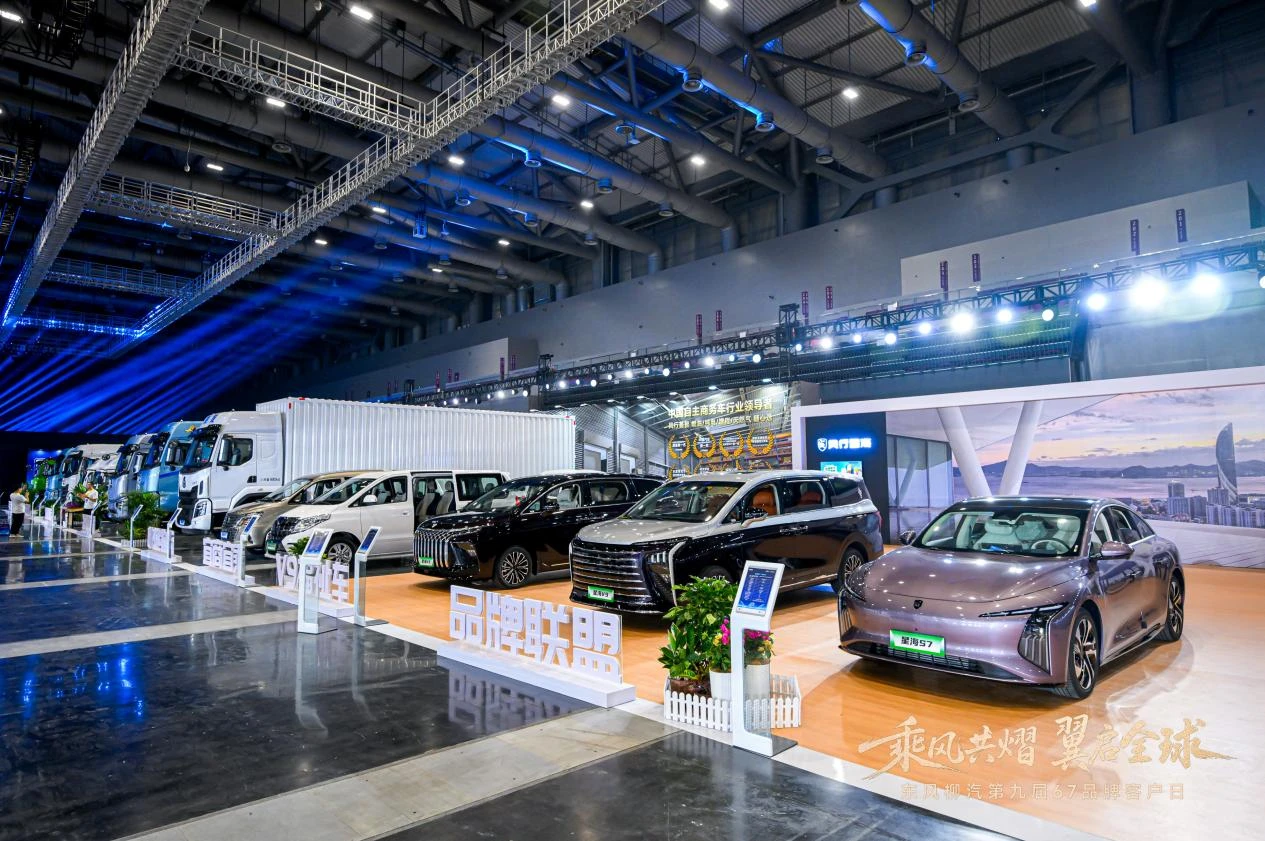
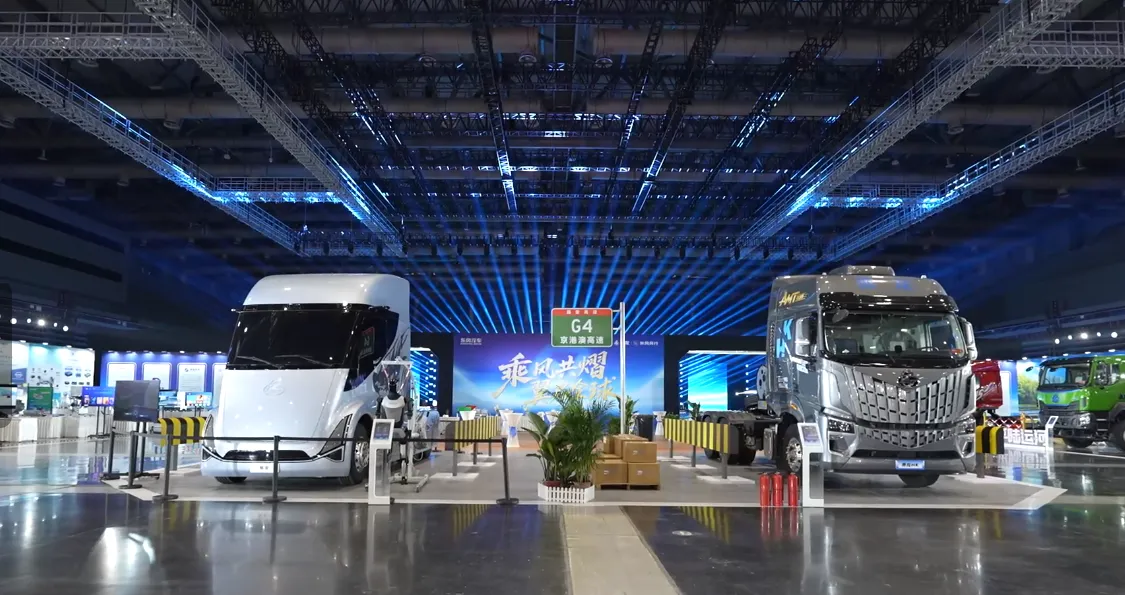
Foton’s Auman Galaxy Global Value Discovery Tour offers an approach worth learning from.
Rather than simply staging an overseas product showcase, Foton embarked on a real journey across Peru—bringing its products, real-world driving conditions, users, and brand together.

From Specs on Paper to Products That Speak for Themselves
Commercial vehicles are different from other consumer products. Their capabilities ultimately have to be proven in real-world transport operations.
How powerful are they?
How reliable are they?
Can they handle challenging road conditions?
Rather than having the brand repeat its claims at a showroom, why not put the vehicles into real-world conditions and let their performance provide the answers?

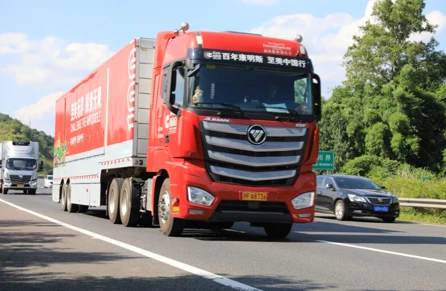
During the Peru leg of the tour, the Auman Galaxy took on challenging local terrain, including high-altitude plateaus and mountain roads.
The vehicle was no longer just a product on display—it became the central character in the journey.
For overseas customers, this kind of experience is more convincing than a spec sheet.
Because what commercial vehicle users really want to know is: “Can this truck help me keep my business moving?”

The first step in marketing commercial vehicles overseas goes beyond translating product selling points into the local language.
What matters more is:
Finding real-world local applications and letting the vehicle’s capabilities shine through.
From Speaking for the Brand to Bringing the Local Market into the Conversation
Once a product enters an overseas market, the brand faces another question: Why should local customers trust you?
Advertising alone is rarely the answer.
Interactions with local media, industry professionals, users, and content creators can all become important opportunities to build trust.
A firsthand experience can generate authentic feedback;
Authentic feedback can become content;
And content rooted in the local market can, in turn, influence more potential customers.

This changes how the brand’s message spreads:
The brand introduces the product → Local people experience it → They share their perspectives → More customers get to know the brand.
This is also why overseas marketing cannot simply reuse content created for the Chinese market.
The same vehicle serves different customers, transport conditions, content preferences, and communication styles in each market.
Effective localization means:
Telling the brand’s story in a way that makes its value clear to the local market.
From Selling Products Overseas to Building Brands Overseas
On the surface, this journey was a vehicle showcase.
But viewed more broadly, it connected every stage of the process:
Product experience → Real-world validation → User participation → Content sharing → Brand recognition.
This reflects a shift now taking place as Chinese commercial vehicle brands expand globally.
As more Chinese commercial vehicles enter overseas markets, the scope for gaining a competitive edge through products and pricing alone will continue to shrink.
Brand recognition, customer trust, and local operating capabilities will become increasingly important competitive factors.

Building a brand overseas means more than taking domestic marketing content abroad.
It means entering the local market and asking fresh questions:
Who are the local customers?
What do they need?
Which real-world scenarios can demonstrate the product’s value?
What kind of content will truly resonate with them?
E&C Takeaway —— How Can Commercial Vehicle Makers Move from Selling Products to Building Brands Overseas?
Foton’s Auman Galaxy Global Value Discovery Tour offers one approach:
Put products into real-world settings, bring users into the brand experience, and turn a single event into ongoing brand communication.
Building a brand overseas requires businesses to immerse themselves in local markets, understand local customers, and build connections through a localized approach.
For commercial vehicle brands expanding overseas, what do you think is harder: making the sale or building a lasting presence?
To meet these needs, E&C continues to develop services that support businesses throughout their global expansion.
Its operations span three core divisions: Brand Strategy, Digital Marketing, and International Trade.
Through an integrated “Strategy—Content—Communication—Conversion—Trade” model, E&C connects the entire process—from overseas market assessment, localized content creation, and social media and PR communications to advertising, sales lead generation, and local distribution development.
E&C also draws on a three-tier talent structure: headquarters experts, international talent based in China, and overseas Local-TOK teams.
The headquarters team provides strategic direction, international talent in China reviews language and cultural relevance, and local teams overseas create market-specific content and execute communications—helping businesses connect more effectively with audiences across different countries.
This talent structure also aligns with E&C's emphasis on global brand strategy, localized communications, and a global service network.
To date, E&C has served more than 100 leading Chinese manufacturers, amassing deep‑rooted experience in global expansion across the automotive, commercial vehicle, and smart manufacturing sectors.
From risk management and compliance, talent and employment, legal and financial support, and tax and accounting services to brand building and market growth, this salon highlighted the multifaceted support Chinese companies need to expand globally.
Looking ahead,E&C will continue to deepen its presence in key markets across Southeast Asia, the Middle East, and Latin America, while strengthening its global network of local service teams.
It will support more Chinese smart manufacturing companies as they move from exporting products to bringing their brand value to the world, helping Chinese brands connect with local markets and build a lasting global presence.








-
 Nov. 20, 2026
-
 Jul. 07, 2025
-
 Jun. 30, 2025
-
 Jun. 30, 2025
-
 Jul. 07, 2025
-
 Jun. 30, 2025