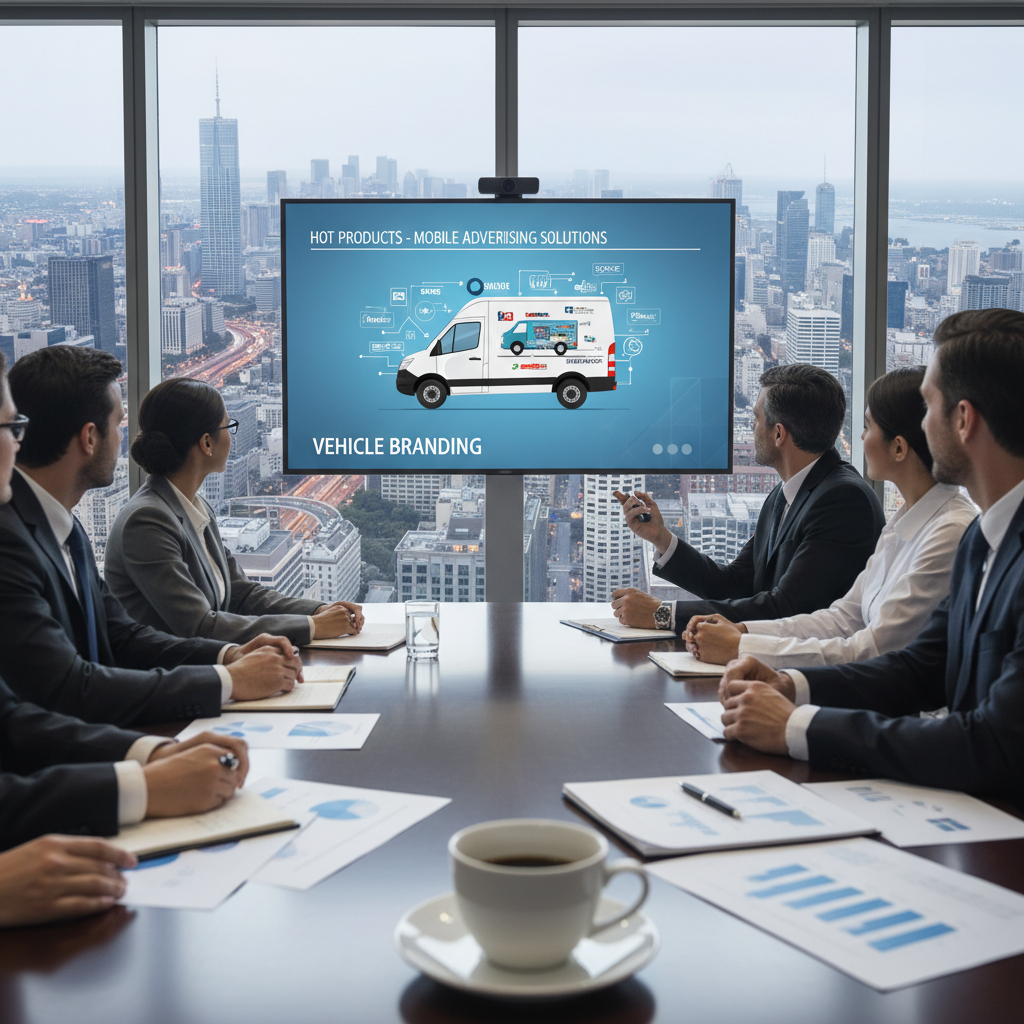
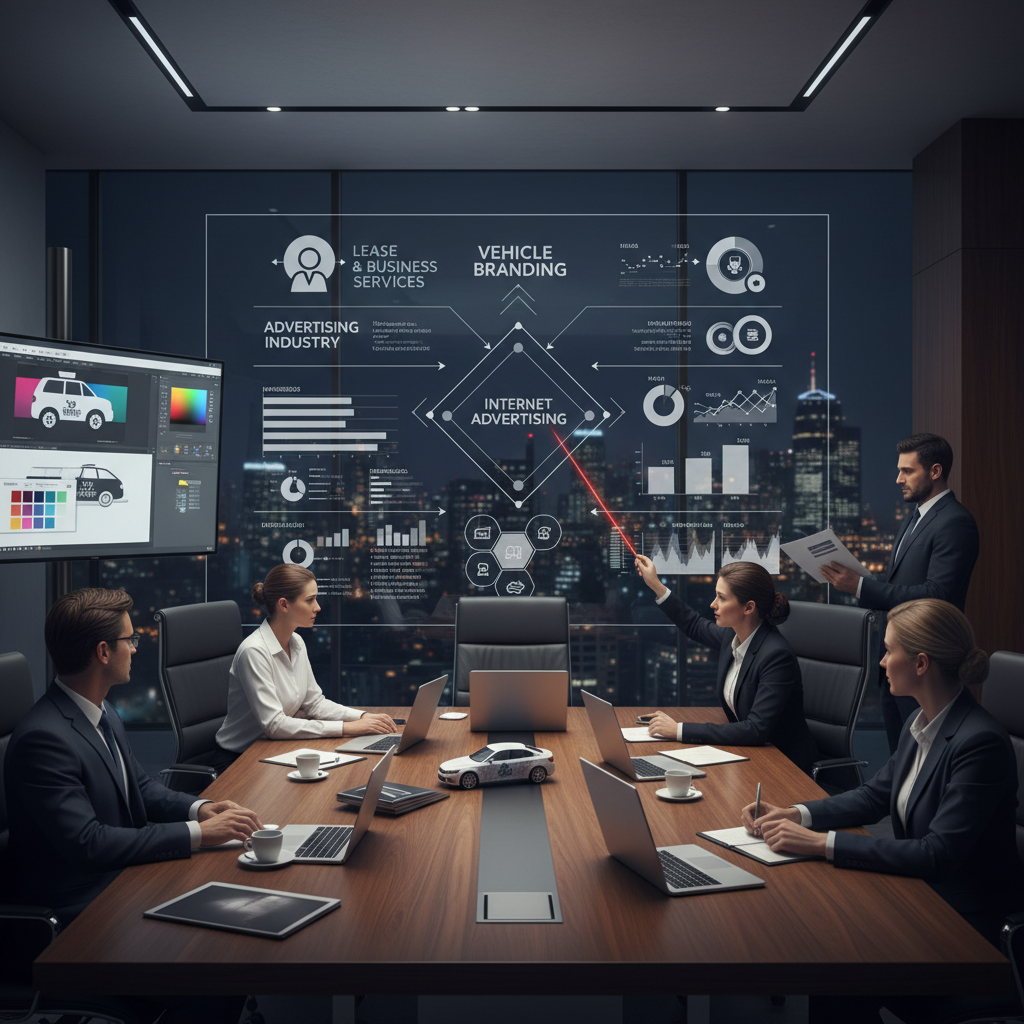
In an era of digital saturation, capturing consumer attention requires innovative physical touchpoints. vehicle branding transforms ordinary company fleets into high-impact, mobile billboards that deliver consistent brand messaging across diverse geographic locations. By leveraging the constant movement of vehicles, businesses can transition from static advertising to a dynamic presence that integrates seamlessly into the daily commute of their target audience.
The global shift toward omnichannel marketing has highlighted the necessity of bridging the gap between online visibility and physical presence. Professional vehicle wraps and graphics provide a cost-effective method to increase brand recall, establishing trust and legitimacy every time a vehicle enters a new neighborhood. Unlike traditional billboards, which are fixed in one location, a branded fleet penetrates deep into residential and commercial zones, offering unparalleled reach.
Understanding the strategic implementation of vehicle branding is no longer just about aesthetics; it is about maximizing ROI through high-visibility asset utilization. Whether for a small local startup or a global logistics giant, the ability to maintain a professional image while on the road contributes significantly to customer acquisition and corporate identity. This guide explores the technical, creative, and strategic dimensions of turning your fleet into a powerful growth engine.
Global Impact and Market Relevance of Vehicle Branding
On a global scale, the effectiveness of vehicle branding is underscored by the sheer volume of daily traffic. With billions of vehicles on the road worldwide, the "cost per thousand impressions" (CPM) for a branded vehicle is often significantly lower than that of digital ads or traditional print media. International marketing data suggests that mobile advertisements are perceived as less intrusive than pop-up ads, leading to higher organic brand acceptance.
The challenge modern businesses face is the "noise" of the urban environment. In densely populated cities, standard signage is often ignored. However, a professionally wrapped vehicle creates a moving focal point that commands attention without being disruptive. By aligning visual identity with mobility, companies can ensure their brand is seen in high-traffic corridors where traditional advertising is either prohibited or prohibitively expensive.
Defining the Core Mechanics of Vehicle Branding
At its essence, vehicle branding is the process of applying graphic elements—logos, colors, typography, and contact information—to a company vehicle to create a cohesive and recognizable identity. It ranges from simple vinyl lettering (spot graphics) to full vehicle wraps that completely transform the exterior of the car, van, or truck into a branded canvas.
Beyond simple aesthetics, this practice serves a critical humanitarian and operational need in various sectors. For instance, in emergency services or NGO operations, clear vehicle identification is vital for safety, authorization, and rapid recognition in crisis zones. It transforms a utility asset into a communication tool that signals reliability and official capacity to the public.
In the modern commercial landscape, this approach integrates the principles of psychology and design. By using high-contrast colors and legible fonts, businesses can trigger immediate brand association. The goal is to move the viewer from "seeing a van" to "recognizing a service provider" within a matter of seconds, utilizing the subconscious processing of visual cues during transit.
Key Components for Effective Fleet Visuals
The primary pillar of successful vehicle branding is Durability. Because vehicles are exposed to extreme UV radiation, road debris, and varying weather conditions, the use of high-grade cast vinyl and UV-resistant laminates is non-negotiable. A fading or peeling wrap doesn't just look bad; it communicates a lack of attention to detail about the business itself.
Scalability is equally critical. A branding system must work as effectively on a compact city car as it does on a heavy-duty logistics truck. This requires a flexible design language where the core elements—such as the logo and primary CTA—can be rearranged and resized without losing their visual impact or brand integrity across different vehicle dimensions.
Finally, Cost Efficiency and Legibility tie the strategy together. The most effective designs avoid clutter, focusing on a clear "three-second message": who you are, what you do, and how to contact you. By balancing complex artistic wraps with strategic white space, companies maximize their lead generation potential while keeping maintenance costs low.
Practical Applications Across Diverse Industries
The application of vehicle branding varies wildly depending on the industry's goals. In the service sector—such as plumbing, electrical work, or HVAC—branded vans act as a "trust signal" in residential neighborhoods, reassuring homeowners that a professional is on-site. In these cases, the branding focuses on reliability and contact ease.
Conversely, in the logistics and e-commerce sector, fleet branding serves as a massive psychological reinforcement of market dominance. When a consumer sees a fleet of identical, brightly branded delivery trucks in their city, it creates a perception of ubiquity and efficiency. This "omnipresence effect" is a powerful tool for building brand equity without spending additional money on traditional ad placements.
Comparison of Vehicle Branding Method Efficiency
Long-Term Economic and Social Value
From a financial perspective, vehicle branding is an investment rather than an expense. Unlike monthly ad spend on social media, a high-quality wrap is a one-time cost that provides years of continuous exposure. Furthermore, a professionally wrapped vehicle protects the original paintwork, which can actually preserve the resale value of the asset in some industrial contexts.
Beyond the ledger, there is a significant psychological benefit: the cultivation of trust. A branded vehicle signals that a company is established and takes pride in its image. In residential service industries, this "professionalism on wheels" reduces consumer anxiety and increases the likelihood of a customer choosing a branded provider over an unbranded, anonymous competitor, thereby increasing the conversion rate of passive impressions.
Future Innovations in Mobile Advertising Materials
The future of vehicle branding is shifting toward sustainability and interactivity. We are seeing the rise of eco-friendly, biodegradable vinyls that reduce the environmental impact of wrap removals. Additionally, the integration of reflective and iridescent materials is allowing brands to maintain visibility and impact during nighttime hours, effectively doubling their exposure window.
Digital transformation is also entering the fleet space. The emergence of flexible LED panels and smart glass allows for dynamic content updates on the vehicle exterior. Imagine a delivery truck that can change its promotional offer based on the neighborhood it is currently driving through, blending the precision of digital targeting with the physical presence of a vehicle.
Moreover, the push toward electric vehicle (EV) fleets provides a new branding opportunity. Companies can now use their vehicle branding to explicitly communicate their commitment to green energy. Adding "100% Electric" or "Zero Emission" badges to a branded fleet transforms the vehicle from a simple ad into a statement of corporate social responsibility.
Overcoming Common Implementation Challenges
One of the most common hurdles in vehicle branding is the struggle between artistic ambition and practical legibility. Many companies overcrowd their designs with too much text, resulting in a visual mess that is unreadable at 40 mph. The solution is a "hierarchical design approach," where the brand name is the largest element, followed by the service and then the contact info.
Another challenge is regulatory compliance. Different regions have strict laws regarding window tinting, reflective surfaces, and the size of advertisements on commercial vehicles. To overcome this, seasoned experts conduct a thorough local legal audit before the design phase, ensuring that the branding is high-impact but fully compliant with transit authorities to avoid costly fines.
Finally, maintenance can be a pain point. Road salt, pressure washers, and accidents can damage vinyl. The professional solution is the implementation of a "fleet maintenance schedule" and the use of ceramic coatings over the wrap. This not only extends the lifespan of the branding but ensures the vehicle always looks pristine, maintaining the brand's premium perception.
Comparative Analysis of Vehicle Branding Strategies
|
Branding Level
|
Initial Investment
|
Visual Reach
|
Recommended Use Case
|
| Full Vinyl Wrap |
High |
Maximum |
Corporate Identity / High-End Services |
| Partial Wrap |
Medium |
High |
Balanced Budget / Service Fleets |
| Door Lettering |
Low |
Moderate |
Small Businesses / Minimalist Look |
| Magnetic Signs |
Very Low |
Low |
Temporary Use / Shared Vehicles |
| Reflective Graphics |
Medium |
High (Night) |
Emergency / Logistics / Safety |
| Digital LED Panels |
Very High |
Ultra High |
Event Marketing / Tech Companies |
FAQS
Depending on the quality of the vinyl and the level of exposure to the sun, a professional wrap usually lasts between 5 to 7 years. High-grade cast vinyls with a UV-protective laminate are essential to prevent fading and cracking. Regular washing and avoiding high-pressure cleaners directly on the edges can significantly extend the life of your vehicle branding.
When installed and removed correctly, professional vinyl wraps do not damage the factory paint. In many cases, they actually protect the paint from minor scratches and UV damage. However, if the vehicle already has aftermarket paint or is peeling, the wrap may pull some of that paint off during removal. Always ensure a certified professional handles the installation.
For small businesses, partial wraps or high-quality vinyl lettering on doors and rear panels offer the best ROI. These options provide essential brand recognition and contact information without the high cost of a full wrap. As the business grows, these can be easily upgraded to full wraps to increase visual impact and market presence.
Yes, one of the greatest advantages of vinyl branding is its versatility. You can replace specific sections of a partial wrap or entirely remove a full wrap when it's time for a rebrand. For companies with frequent promotional changes, magnetic signs or modular vinyl decals are recommended as they allow for quick updates without needing a full installation.
The most effective way to track ROI is by using unique "van-only" call-to-actions. For example, include a specific QR code, a dedicated landing page (e.g., website.com/fleet), or a unique phone extension on the vehicle. By tracking the leads coming specifically through these channels, you can calculate the exact cost-per-lead generated by your vehicle branding.
Yes, laws vary by city and country. Common restrictions include the use of reflective materials that might blind other drivers, covering too much of the windshield or windows, and using colors that mimic emergency vehicles. It is always advisable to check local transit laws or consult with a professional branding agency to ensure your design is legal.
Conclusion
In summary, vehicle branding represents a powerful synergy between mobility and marketing. By transforming static assets into active lead-generation tools, businesses can achieve massive visibility, build immediate trust with local consumers, and maintain a professional image that scales with their growth. From the technical choice of UV-resistant materials to the strategic use of hierarchical design, every detail contributes to the overall effectiveness of the mobile campaign.
Looking forward, the integration of sustainable materials and digital displays will further revolutionize how brands interact with the physical world. For any business operating a fleet, the question is no longer whether to brand their vehicles, but how to do so most strategically to maximize their market impact. Investing in professional branding today ensures that your business remains visible and relevant in an increasingly crowded urban landscape. Visit our website: www.ecglobaladvisor.com