Look, agency marketing digital. It’s everywhere now, right? Everyone's talking about it, and honestly, it’s not just hype. I’ve been on sites all year, watching companies scramble to get their digital presence sorted. It’s less about having a strategy and more about having a strategy that actually works in the real world. Because a beautiful presentation in the boardroom means nothing if it doesn't translate to leads and, ultimately, sales. It's about bridging the gap, and that’s harder than it looks.
What's really shifted, though, is the expectation. Clients aren’t just wanting pretty ads anymore. They want measurable results, and they want to see them fast. Used to be, you could get away with vague promises and fancy reports. Now? They're digging into the data themselves. Have you noticed that? They’re asking tough questions, and they deserve answers. The days of ‘spray and pray’ marketing are long gone.
And it’s complex. There’s SEO, PPC, social media, content marketing... the list goes on. I think the biggest mistake I see agencies making is trying to be everything to everyone. It's better to specialize, become really good at one or two things, and deliver exceptional results. It’s about knowing your strengths and playing to them, just like with any construction project. Trying to build a skyscraper when you’re a plumber… well, you get the idea.
The Global Landscape of agency marketing digital
Honestly, agency marketing digital is just booming. I was talking to a guy at a supplier’s warehouse last week, and he said their sales of digital marketing tools have tripled in the last two years. Triple! That’s insane. It's not just the big corporations either. Small businesses are realizing they have to be online to survive. The World Bank talks about bridging the digital divide, and you see that playing out in practical terms. Even in developing countries, people are using smartphones and social media.
But it’s a crowded space. Competition is fierce. And the problem? A lot of agencies promise the world and deliver… well, not much. It’s about finding a way to cut through the noise and reach the right audience. That’s where the real challenge lies. I encountered this at a factory in Dongguan last time; their digital marketing team was spinning its wheels, spending tons of money with little to show for it.
Defining agency marketing digital and its Relevance
Okay, so what is agency marketing digital? Put simply, it’s using digital channels – websites, social media, search engines, email – to connect with potential customers. Seems straightforward, right? But it's much more than just posting on Facebook. It's about understanding customer behavior, analyzing data, and optimizing campaigns to get the best results. It’s like building a machine; every part needs to work together seamlessly.
Its relevance? Massive. Think about it. Where do people spend their time? Online. Where do they go to research products and services? Online. Where do they make purchases? Increasingly, online. It’s a fundamental shift in how businesses operate. It’s not optional anymore; it’s essential. And it's crucial for modern industry needs.
And it’s not just about commercial applications. Humanitarian organizations use it to raise awareness and funds, governments use it to communicate with citizens… the possibilities are endless. Strangely enough, it’s about connection. A good agency marketing digital strategy fosters community and builds relationships.
Core Components of Effective agency marketing digital
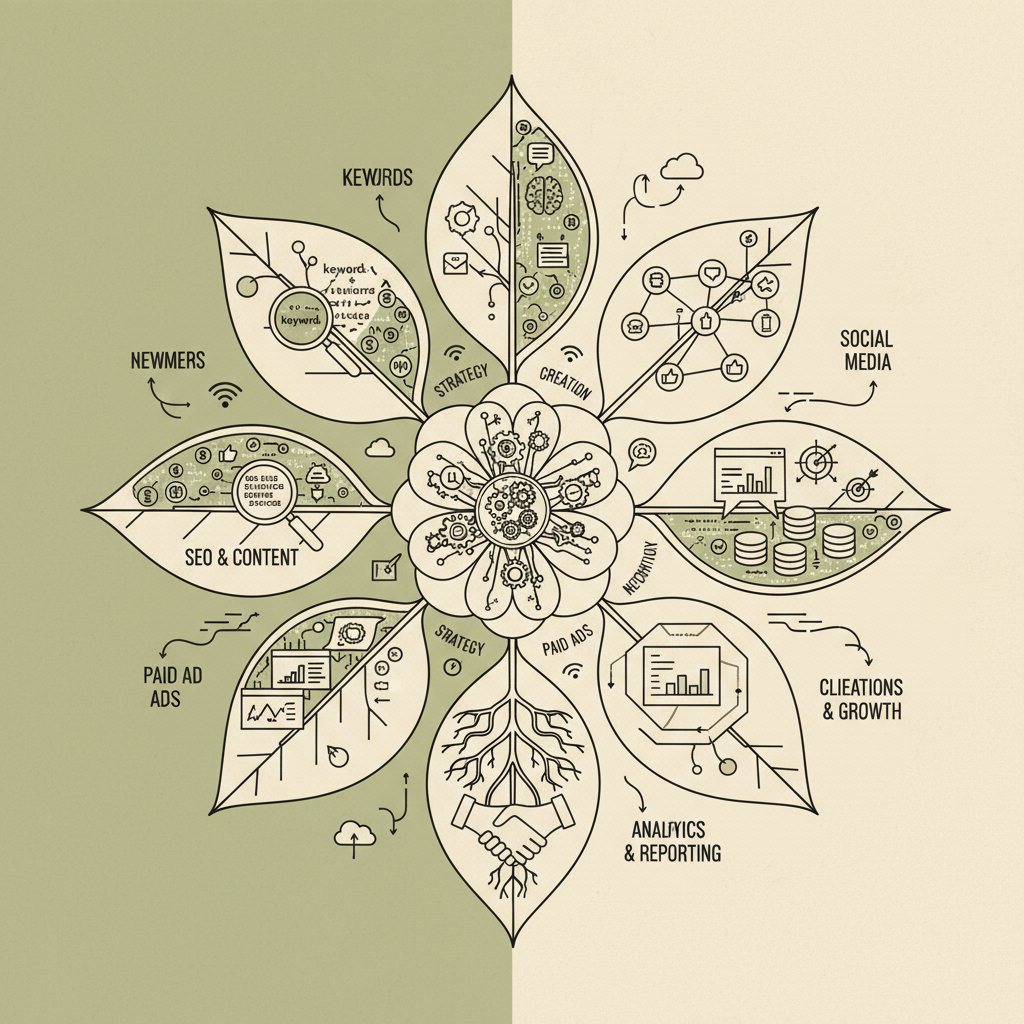
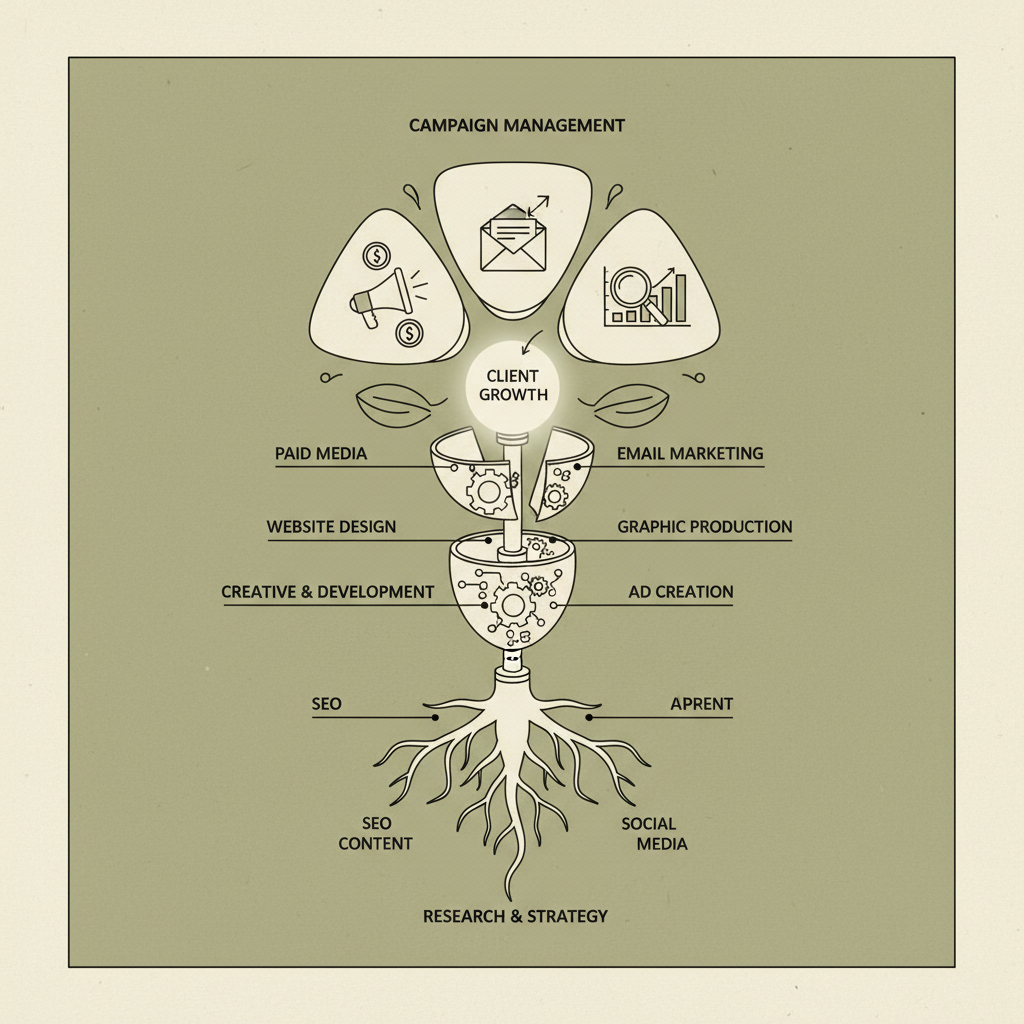
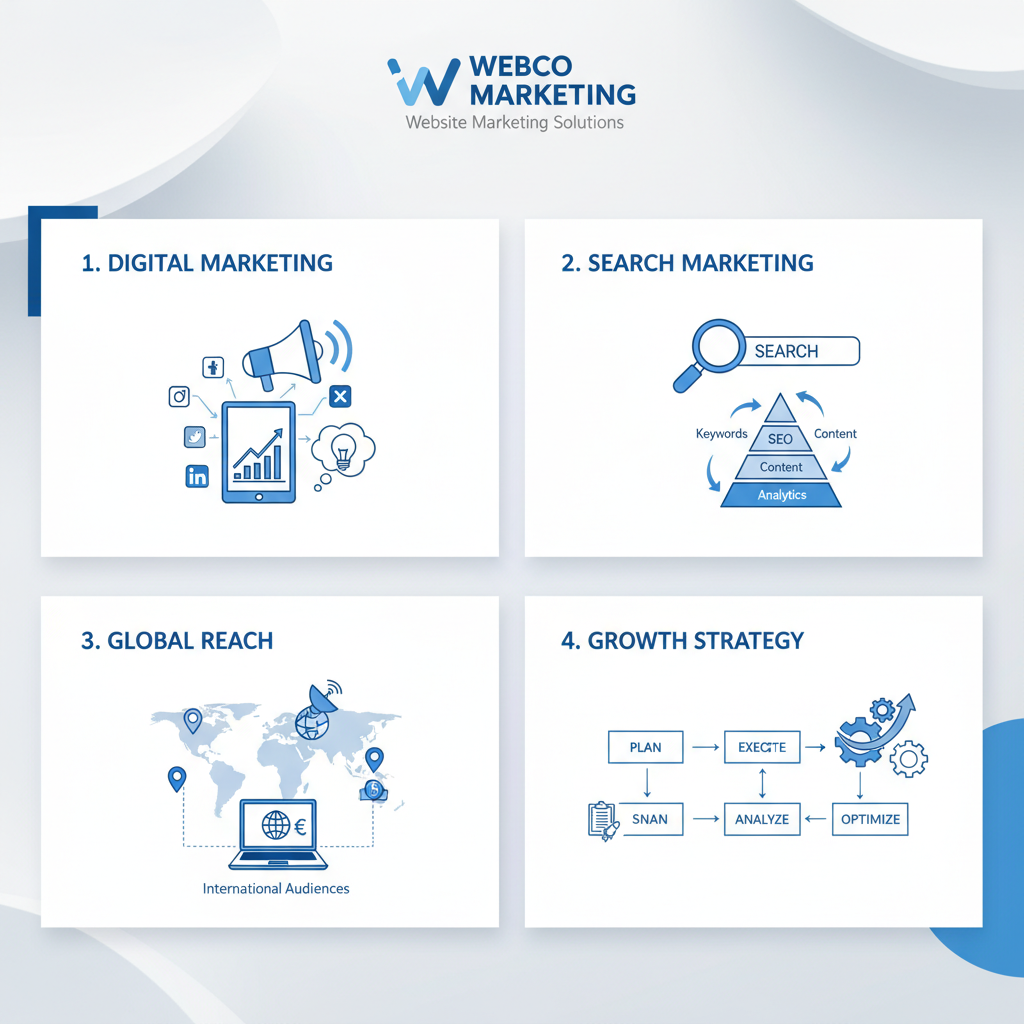
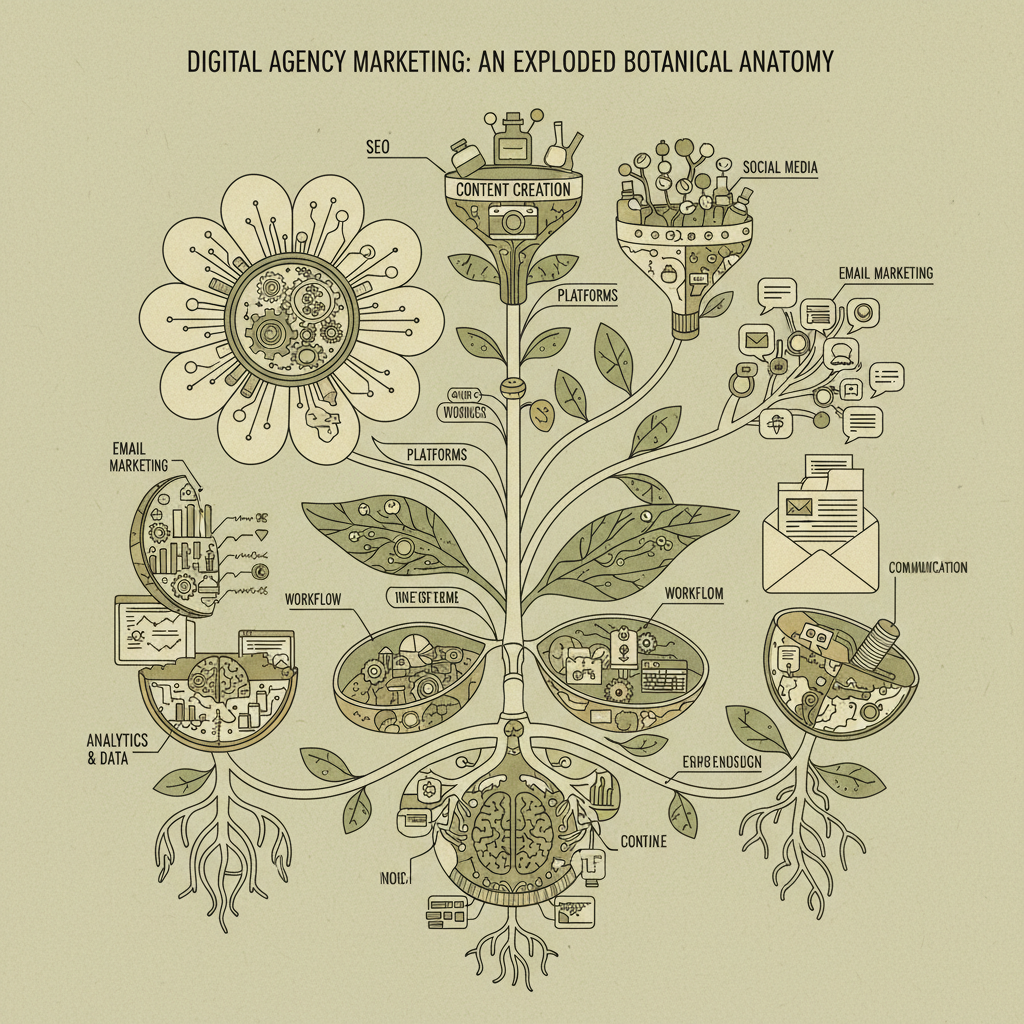
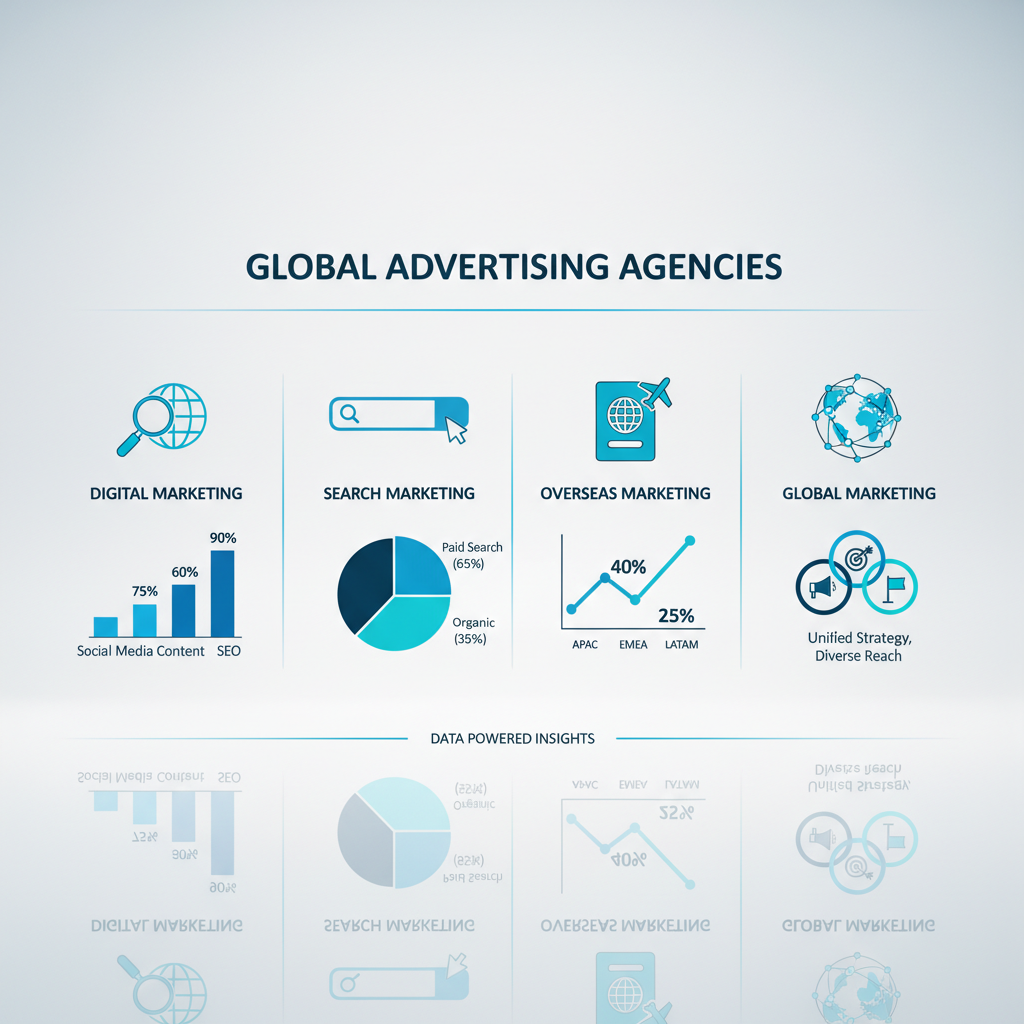
Let's break it down. First, you've got SEO – Search Engine Optimization. Getting your website to rank higher in Google. It’s a long game, but essential. Then there's PPC – Pay-Per-Click advertising. Immediate results, but you gotta pay for it. Social media marketing, content marketing, email marketing… all vital pieces of the puzzle. And you can’t forget data analytics. You need to track your results and see what’s working and what’s not.
But honestly, the biggest component? Strategy. A lot of agencies jump straight into tactics without thinking about the big picture. What are the client’s goals? Who is their target audience? What is their unique selling proposition? You need a clear plan before you start spending money. Otherwise, you're just throwing darts in the dark. It’s like building a house without blueprints.
Anyway, I think the key is integration. All these components need to work together. SEO drives organic traffic, PPC provides immediate visibility, social media builds brand awareness, and email nurtures leads. It's a whole ecosystem.
Key Factors Influencing agency marketing digital Success
Look, some things are just fundamental. First, understanding your target audience. You need to know who they are, what they want, and where they hang out online. Then, quality content. Content is king, as they say. But it has to be good content, engaging content, content that provides value. And then, consistent branding. Your message needs to be consistent across all channels.
But there's a trap many fall into: chasing trends. Don’t just jump on the latest TikTok craze because everyone else is. Does it align with your brand? Does it reach your target audience? If not, skip it. Focus on what works for your business.
agency marketing digital Performance Metrics
Global Applications and Real-World Use Cases
You see it everywhere. In post-disaster relief operations, agencies use social media to coordinate aid and connect with survivors. In remote industrial zones, digital marketing helps businesses reach new customers. Even in agriculture, farmers are using digital tools to optimize their yields and connect with buyers. The possibilities are endless.
I was working with a small manufacturing company in Vietnam last year. They were struggling to compete with Chinese manufacturers. We developed a targeted social media campaign showcasing the quality and craftsmanship of their products. Within six months, their sales increased by 30%. It was a game-changer.
Advantages and Long-Term Value Proposition
Look, the biggest advantage? Reach. You can reach a global audience with a relatively small budget. Cost-effectiveness is huge. And it’s measurable. You can track your results and see exactly what's working and what's not. That’s something you can’t do with traditional advertising.
But it’s not just about the numbers. It's about building relationships, creating a community, and establishing trust. A strong digital presence can enhance your brand reputation and build loyalty. That’s priceless.
However, there’s always a downside. It takes time and effort. It's not a quick fix. And the digital landscape is constantly changing. You need to stay up-to-date with the latest trends and technologies. It’s a marathon, not a sprint.
Future Trends and Emerging Innovations
AI is going to be huge. Automated ad campaigns, personalized content, predictive analytics… it's all coming. And augmented reality, virtual reality... these technologies will create immersive experiences that will transform the way we interact with brands.
I think we'll also see a greater focus on privacy. People are becoming more aware of how their data is being used. Agencies will need to be more transparent and ethical in their data practices. It's not just about collecting data; it's about respecting people's privacy.
And sustainability is becoming a bigger issue. Consumers are demanding that brands be more environmentally responsible. Agencies will need to help their clients communicate their sustainability efforts effectively.
Summary of Key Challenges and Potential Solutions in agency marketing digital
| Challenge |
Impact on agency marketing digital Performance |
Potential Solution |
Implementation Difficulty (1-10) |
| Algorithm Updates |
Reduced organic reach and visibility. |
Continuous monitoring and adaptation of SEO strategies. |
7 |
| Data Privacy Concerns |
Limited access to user data for targeted advertising. |
Implement first-party data collection and prioritize user consent. |
6 |
| Ad Fatigue |
Decreased engagement and click-through rates. |
Refresh creative content and diversify ad formats. |
5 |
| Competition |
Increased advertising costs and reduced market share. |
Focus on niche markets and unique value propositions. |
8 |
| Measuring ROI |
Difficulty in attributing marketing efforts to specific outcomes. |
Implement robust tracking mechanisms and attribution models. |
7 |
| Skill Gap |
Lack of skilled professionals in emerging technologies. |
Invest in training and development programs. |
6 |
FAQS
Honestly, the biggest mistake I see is a lack of a clear strategy. They jump into tactics – running ads, posting on social media – without defining their goals, identifying their target audience, or understanding their unique value proposition. It's like building a house without blueprints. You need a solid foundation before you start adding the fancy stuff. It's a classic rookie error, and it’s surprisingly common even among established businesses.
Crucially important. It's the foundation of your online presence. If people can’t find you on Google, it doesn’t matter how great your ads are. But SEO is a long game, it takes time and effort. It’s not about quick wins. It’s about building authority and trust over time. It’s a bit like tending a garden – you gotta keep weeding and watering it to keep it healthy.
Okay, SEO is organic search – getting your website to rank higher in search results naturally. PPC is pay-per-click advertising – you pay to have your ad displayed at the top of search results. SEO is a long-term strategy, PPC is immediate, but expensive. They work best when used together. It's like a one-two punch.
Data, data, data. You need to track your results. Look at website traffic, leads generated, conversion rates, social media engagement. Google Analytics is your friend. But don’t just focus on vanity metrics – number of likes or followers. Focus on metrics that actually impact your bottom line.
Absolutely. But it's not about being on every platform. It’s about being on the right platforms, where your target audience hangs out. And it’s not just about posting content; it’s about engaging with your audience, building relationships, and creating a community.
That depends on a lot of factors – your industry, your competition, your goals. But as a general rule of thumb, you should allocate at least 5-10% of your revenue to marketing. Don’t be afraid to experiment and adjust your budget based on your results. It's better to start small and scale up as you see success.
Conclusion
Look, agency marketing digital can be complicated. There are a lot of moving parts, a lot of buzzwords, and a lot of hype. But at its core, it’s about connecting with people, building relationships, and driving results. It requires a clear strategy, consistent effort, and a willingness to adapt. And data. Always the data.
Ultimately, whether this thing works or not, the worker will know the moment he tightens the screw. Don’t get caught up in the theoretical stuff. Focus on delivering value to your customers, and the rest will take care of itself. If you need help, don't hesitate to reach out. agency marketing digital specialists are available to support you.