

Thriving in a Global Marketplace with Strategic Globalization in Marketing
Globalization in Marketing: Expanding Your Reach in a Connected World
In today's interconnected world, globalization in marketing is no longer an option, but a necessity for businesses seeking growth and sustainability. This involves adapting marketing strategies to resonate with diverse cultures, navigating international regulations, and leveraging digital tools to reach a global audience. Successfully navigating this complex landscape requires careful planning, cultural sensitivity, and a deep understanding of international market dynamics. This article explores the key aspects of globalization in marketing and how businesses can thrive in the global marketplace.

Understanding the Core Principles of Globalization in Marketing
At its heart, globalization in marketing is about recognizing the world as a single, interconnected market. However, it’s crucial to avoid a ‘one-size-fits-all’ approach. Successful global marketing requires adapting products, pricing, promotion, and distribution to suit local preferences and cultural norms. This process involves thorough market research, understanding consumer behavior in different regions, and building relationships with local partners. Key to this success is a commitment to cultural sensitivity and a willingness to embrace diversity.
Key Highlights: Adapting products, pricing, promotion, and distribution to local preferences. Building relationships with local partners. A commitment to cultural sensitivity and diversity.
The Benefits of Embracing Globalization in Marketing
Expanding into global markets offers numerous advantages. Increased revenue streams are perhaps the most obvious benefit, as businesses tap into larger customer bases. Brand recognition and prestige can also be significantly enhanced through international presence. Moreover, globalization fosters innovation by exposing companies to new ideas, technologies, and competitive pressures. Diversification across multiple markets can also mitigate risks associated with economic downturns in any single region. Ultimately, successful global marketing leads to sustainable growth and a stronger competitive position.
Benefits of Globalization in Marketing:
• Increased Revenue Streams
• Enhanced Brand Recognition
• Fostered Innovation
• Reduced Risk through Diversification
Navigating Cultural Nuances: A Critical Component of Global Marketing
Perhaps the most challenging aspect of globalization in marketing is navigating cultural differences. What works in one country may be ineffective or even offensive in another. Understanding local customs, values, beliefs, and languages is paramount. This requires conducting thorough cultural research and potentially adapting marketing messages, visuals, and product features. Translation alone is often insufficient; localization – tailoring content to resonate with local audiences – is crucial. Ignoring cultural nuances can lead to marketing blunders and damage brand reputation.
Comparing Marketing Approaches: Standardization vs. Adaptation
There are two primary approaches to global marketing: standardization and adaptation. Standardization involves using the same marketing strategy across all markets, while adaptation tailors the strategy to each local market. The optimal approach depends on the product, the target audience, and the cultural context. Highly standardized products, such as luxury goods, may benefit from a consistent global brand image. However, most products require some degree of adaptation to resonate with local consumers. EC Global Advisor can help you assess which strategy is best for your business.
Leveraging Digital Tools for Global Marketing Success
Digital marketing plays a vital role in globalization. Social media platforms, search engine optimization (SEO), and pay-per-click (PPC) advertising enable businesses to reach a global audience cost-effectively. However, it’s essential to optimize digital strategies for each local market, considering language, search habits, and preferred social media channels. Tools like Google Analytics can provide valuable insights into website traffic and user behavior in different regions. EC Global Advisor offers expertise in developing and implementing effective digital marketing strategies for global expansion.
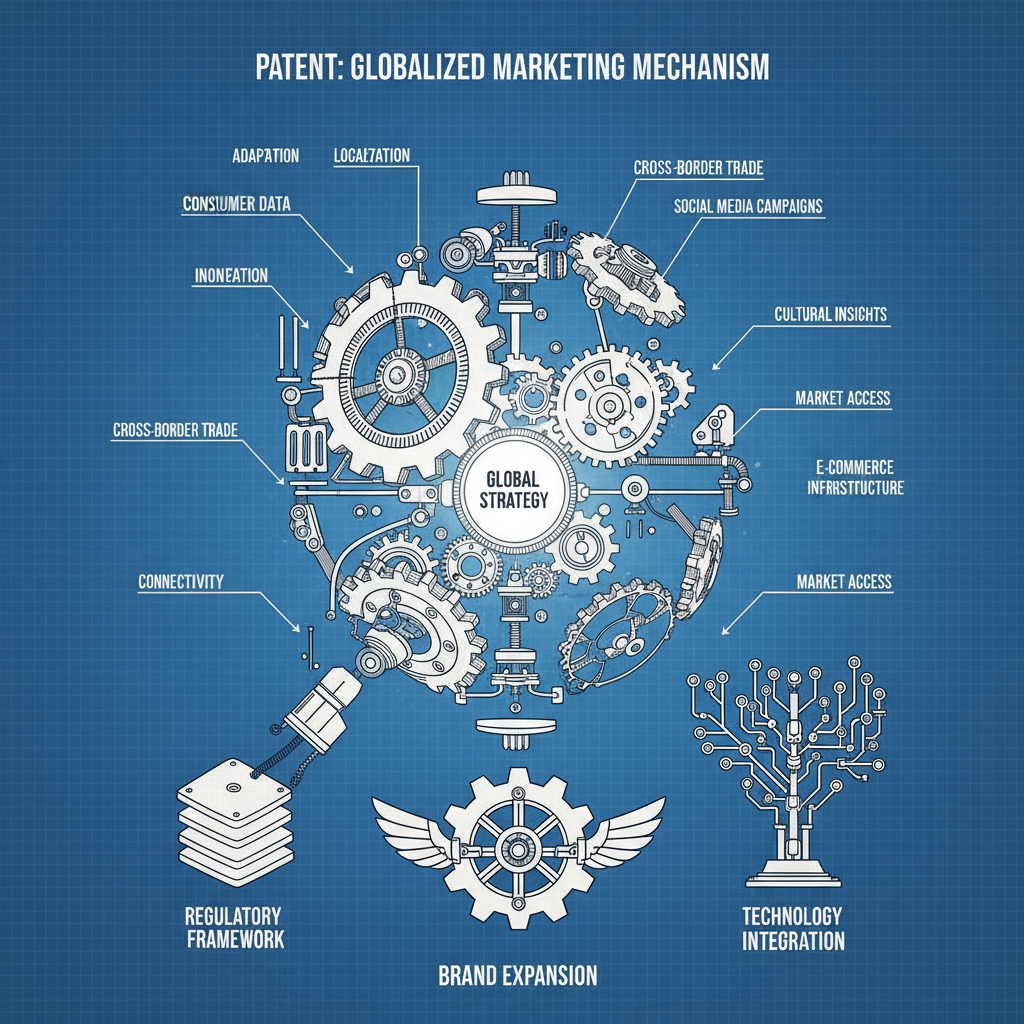
Conclusion: Embracing the Opportunities of a Globalized World
Globalization in marketing presents both challenges and opportunities. By understanding cultural nuances, adapting strategies to local markets, and leveraging digital tools, businesses can unlock significant growth potential. A well-executed global marketing strategy can lead to increased revenue, enhanced brand recognition, and a sustainable competitive advantage. Don’t let the complexities of global expansion hold your business back.
Frequently Asked Questions (FAQs)
What are the biggest challenges of globalization in marketing?
The biggest challenges include navigating cultural differences, adapting marketing messages to different languages and customs, complying with varying international regulations, and managing logistical complexities. Maintaining brand consistency across diverse markets while ensuring local relevance is also a significant hurdle. Successfully overcoming these challenges requires thorough market research, cultural sensitivity, and a flexible, adaptable marketing approach.
How important is localization in global marketing?
Localization is crucial for effective global marketing. It goes beyond simple translation and involves adapting all aspects of your marketing campaign – including content, visuals, and even product features – to resonate with the specific cultural norms and preferences of the target market. Localization demonstrates respect for local cultures and significantly increases engagement and conversion rates.
What role does SEO play in globalization in marketing?
Search Engine Optimization (SEO) is vital for reaching a global audience. However, SEO strategies must be tailored to each local market, considering language, search keywords, and local search engines. This includes optimizing website content for relevant keywords in each target language, building backlinks from local websites, and ensuring your website is accessible and mobile-friendly in different regions.
How can businesses measure the success of their global marketing efforts?
Key performance indicators (KPIs) should be established for each target market. These may include website traffic, conversion rates, sales revenue, brand awareness, and social media engagement. Using analytics tools like Google Analytics, businesses can track these KPIs and measure the return on investment (ROI) of their global marketing campaigns. Regular monitoring and analysis are essential for optimizing strategies and achieving success.




















-
 Jul. 07, 2025
 -
 May. 14, 2025
 -
 May. 13, 2025
 -
 May. 16, 2025
 -
 Jun. 30, 2025
 -
 Jun. 30, 2025