You know, these days everyone's talking about "smart" construction, prefabricated modules, and IoT sensors. Seems like every other factory tour starts with someone showing off a tablet controlling a robotic arm. It's… something. Honestly, a lot of it feels like adding bells and whistles to things that already work, just to justify a bigger budget. But, I've seen some genuinely useful stuff come out of it too. Mostly around logistics and material tracking, that’s been a game changer.
One thing I’ve noticed, and this is a big one, is people getting too caught up in the specs on paper. Design engineers, bless their hearts, often don't spend enough time on site. They’ll spec out some fancy new alloy, thinking it's the ultimate solution, and then it turns out it’s a nightmare to weld in the field, or it corrodes faster than expected when exposed to actual weather. I encountered that at the XX steel mill last time; they'd sworn up and down this new grade would revolutionize things, and it lasted about six months before showing rust. Six months!
We work a lot with high-strength steel, obviously. 35CrMo4 is a favorite, good balance of strength and weldability. Smells faintly of oil when you cut it, you get used to it. It’s got a nice weight to it, feels substantial. Then there’s the composites, carbon fiber reinforced polymers. Those are… tricky. They’re light, strong, but if you scratch the surface, you're looking at potential delamination. And don't even get me started on trying to repair them in the field. Forget it. We also use a surprising amount of good old-fashioned aluminum - 6061-T6 is a workhorse. Easy to machine, easy to join, and holds up pretty well. It’s… familiar.
Global Relevance of Digital Marketing Agency
The need for effective digital marketing agency is practically universal these days. The United Nations estimates that over 90% of global commerce relies on some form of digital infrastructure. That’s a massive number, and it’s only growing. Whether it's facilitating trade, disseminating information, or coordinating disaster relief, the ability to connect and communicate digitally is vital. It’s not just about big corporations, either; small businesses in developing countries are increasingly relying on digital platforms to reach new markets.
The problem is, a lot of these organizations – and individuals – simply don't have the expertise or resources to navigate the increasingly complex digital landscape. That's where a skilled digital marketing agency comes in. They bridge the gap, providing the strategic insights and technical skills needed to succeed.
What I'm seeing more and more is a disconnect between the perceived cost of not having a robust digital presence and the actual investment needed to build one. People think they can just throw up a website and hope for the best. Doesn't work that way.
Defining Digital Marketing Agency
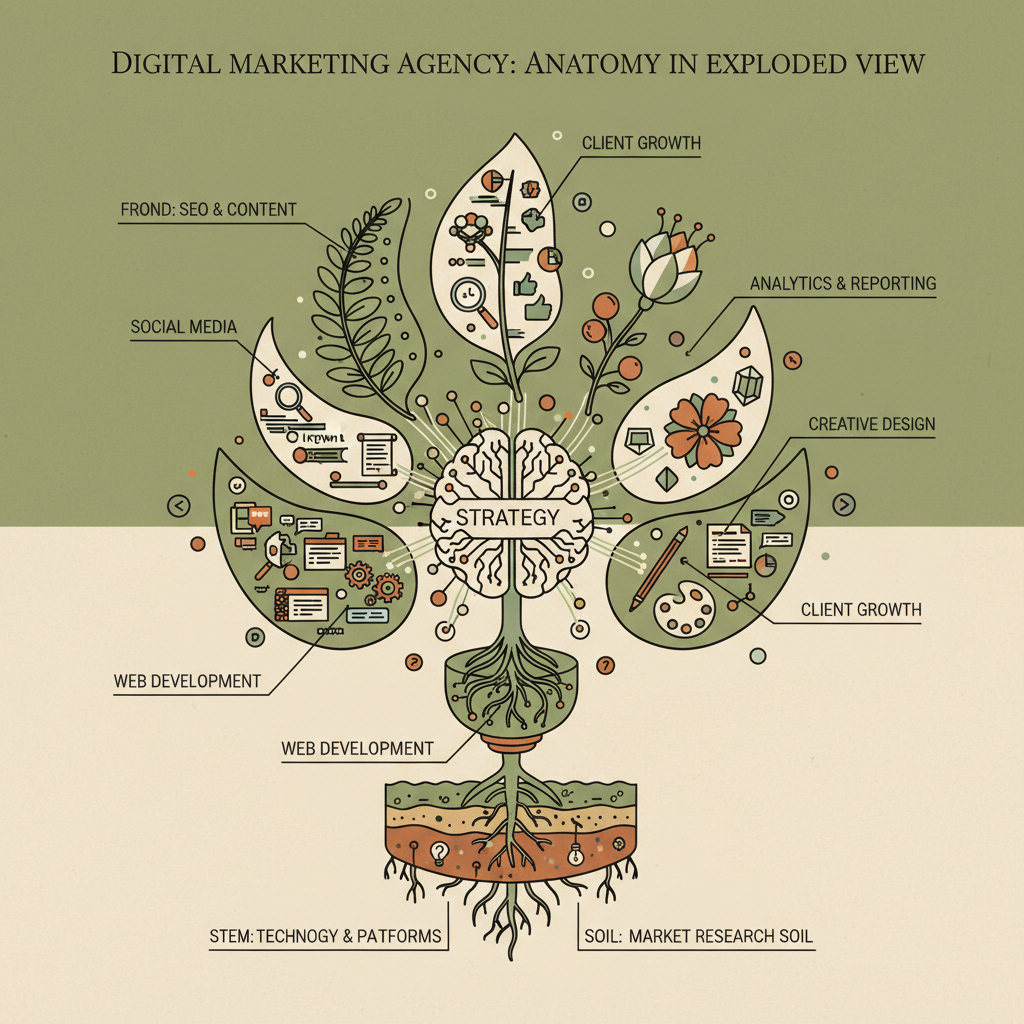
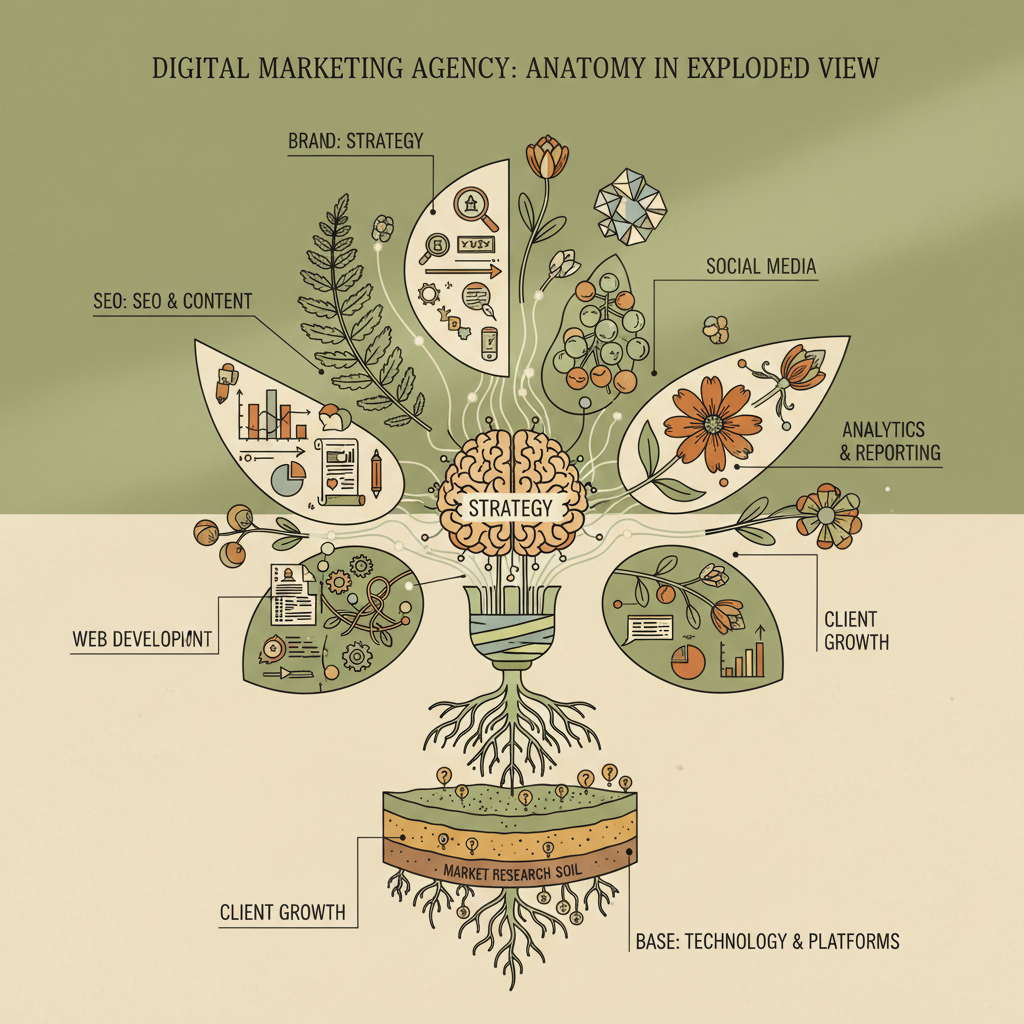
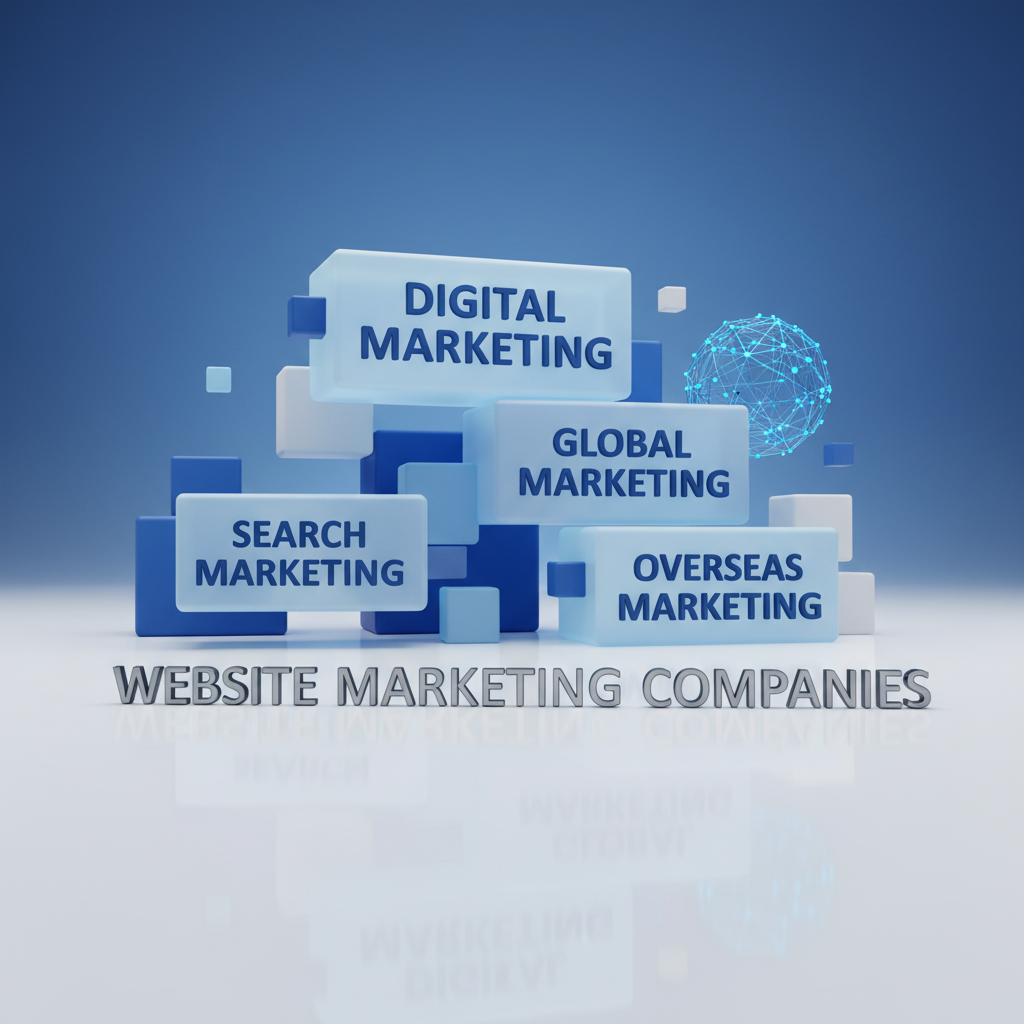
A digital marketing agency, at its core, is a firm specializing in promoting brands and businesses using online channels. Think of it as a one-stop shop for everything from search engine optimization (SEO) and social media marketing to pay-per-click (PPC) advertising and content creation. It's not just about pretty pictures and catchy slogans, though. It’s about understanding data, analyzing trends, and constantly adapting to a rapidly evolving digital ecosystem.
It's closely tied to modern industry because, frankly, every industry is now a digital industry to some extent. Even traditional manufacturing relies on digital supply chains, online sales platforms, and digital customer relationship management. And the humanitarian applications are huge. A well-executed digital campaign can raise awareness, mobilize resources, and deliver aid more efficiently than traditional methods.
The key is strategy. A good agency doesn’t just do things; they figure out why they’re doing them and how those actions contribute to achieving specific business objectives. Too many agencies just focus on vanity metrics – likes and shares – instead of tangible results.
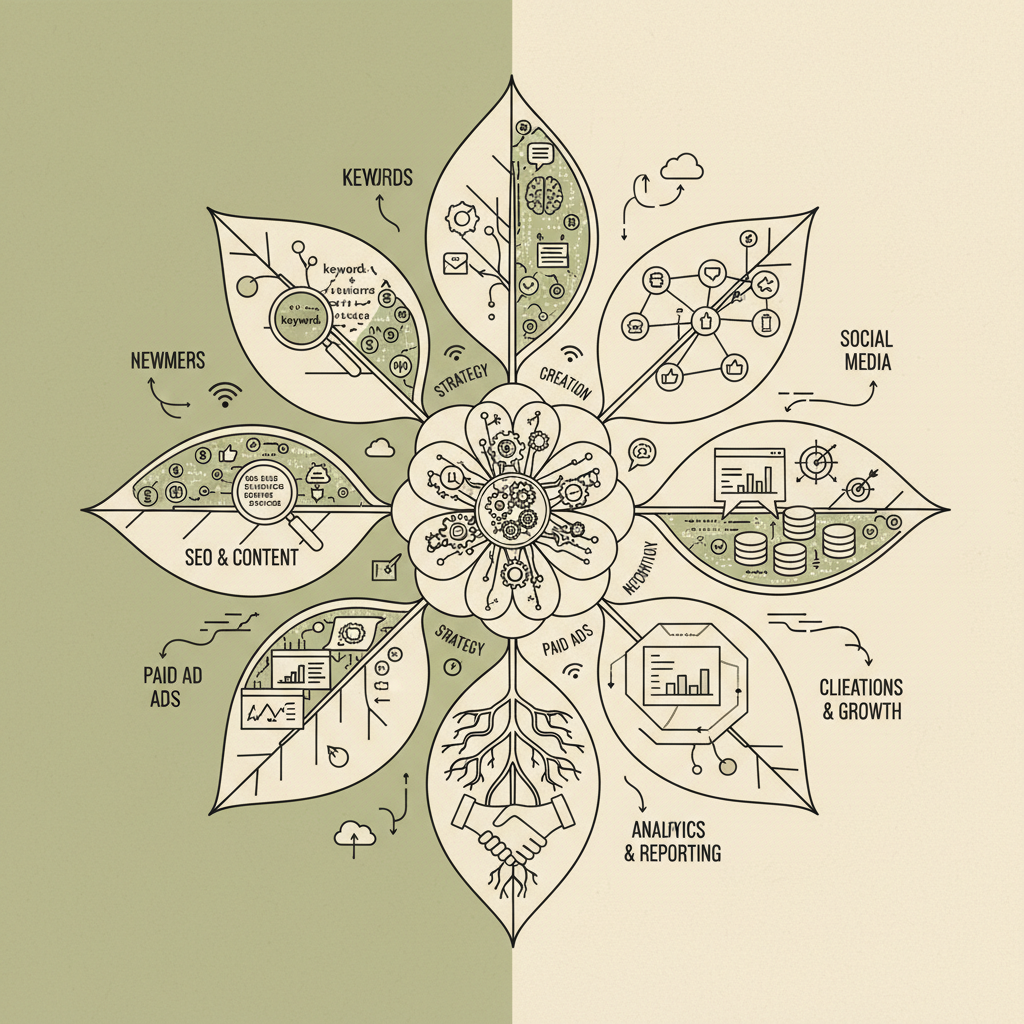
Core Components of Digital Marketing Agency
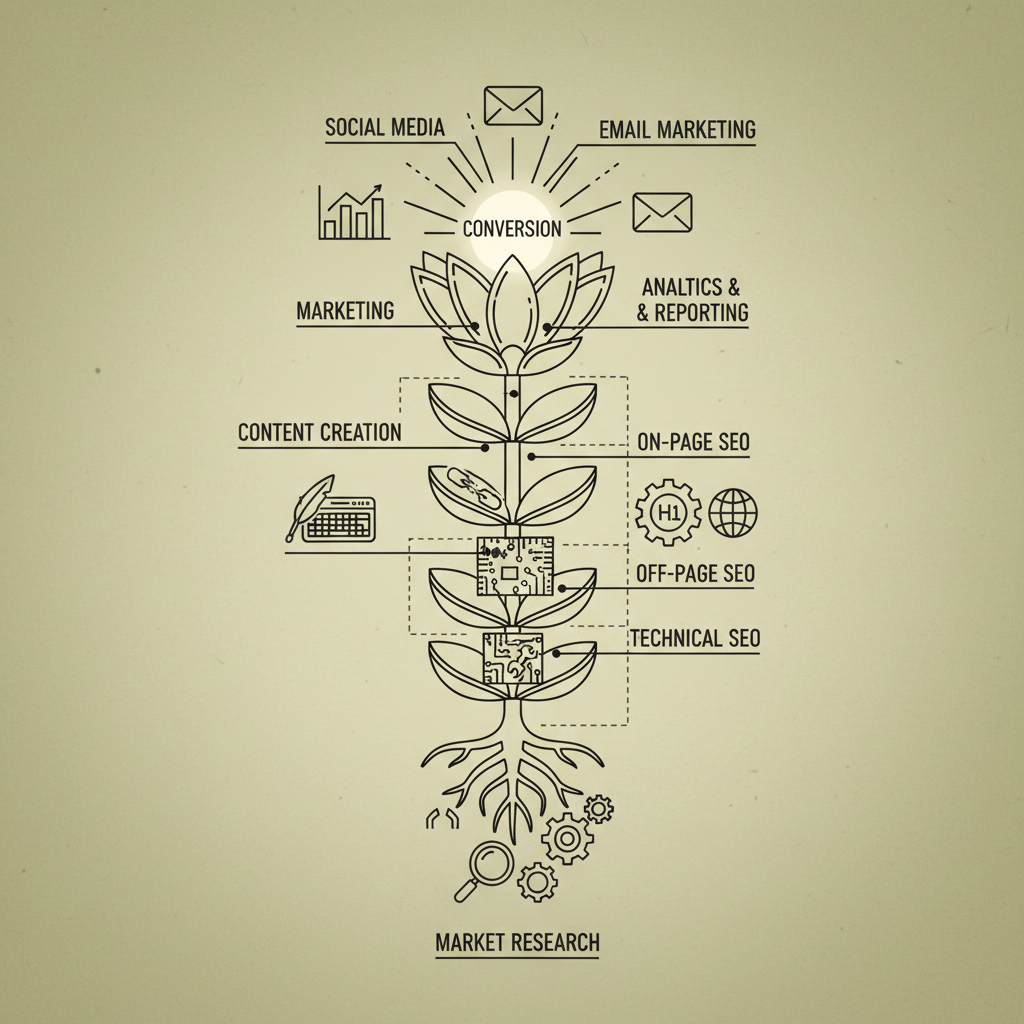
One critical aspect is SEO. Getting your website to rank highly in search results is essential for driving organic traffic. It's not just about keywords; it's about creating valuable, relevant content that answers users’ questions.
Then you have Social Media Marketing. This isn't just posting pretty pictures on Instagram. It's about building a community, engaging with your audience, and using social platforms to drive leads and sales. It's a long game, requiring consistent effort and a deep understanding of each platform's unique dynamics.
PPC Advertising is another big one, especially for immediate results. Google Ads, for example, allow you to target specific keywords and demographics, ensuring your ads are seen by the people most likely to be interested in your products or services. But it’s expensive if you don’t know what you’re doing.
And finally, Content Marketing. Creating blog posts, articles, videos, and infographics that provide value to your target audience. This builds trust and establishes your brand as an authority in your field. I always say, content is king, but distribution is queen.
Global Applications & Use Cases
Digital marketing agency is crucial for international expansion. A company wanting to break into the Japanese market, for example, needs an agency that understands Japanese search engines, social media platforms, and cultural nuances. It's not just about translating your website; it's about adapting your entire marketing strategy to resonate with a new audience.
In post-disaster relief operations, a digital marketing agency can quickly disseminate vital information – evacuation routes, shelter locations, and emergency contact numbers – through social media and targeted online advertising. It’s faster and more effective than relying on traditional media channels.
We worked with a coffee bean importer in Ethiopia last year. They were struggling to reach buyers in Europe and North America. We built them a simple e-commerce website, ran targeted Facebook ads, and created a series of videos showcasing their sustainable farming practices. Their sales tripled within six months. It wasn’t magic, just good solid digital marketing agency.
Effectiveness of Digital Marketing Agency Methods
Advantages & Long-Term Value
The tangible benefits of a strong digital presence are obvious: increased brand awareness, lead generation, and ultimately, sales growth. But the long-term value goes beyond just revenue. Building a loyal online community fosters customer engagement and provides valuable feedback. It's a two-way conversation, not just a one-way broadcast.
There’s also the aspect of trust. Consumers are more likely to trust a brand that has a strong online reputation and actively engages with its audience. A well-managed digital presence builds credibility and demonstrates transparency. It’s a soft power, but a powerful one.
Future Trends & Innovations
AI is going to play a massive role. We're already seeing AI-powered tools that can automate content creation, optimize ad campaigns, and personalize customer experiences. It’s a bit scary, honestly. But it's also a huge opportunity. We’re looking into using AI for sentiment analysis, to better understand how people are feeling about our clients' brands.
The metaverse… that’s still a bit of a wild card. But I think there's potential for brands to create immersive experiences and connect with consumers in new and innovative ways. Though, frankly, I'm not sure anyone actually knows what they're doing in the metaverse yet.
And of course, there’s the continued focus on data privacy and ethical marketing practices. Consumers are becoming increasingly aware of how their data is being used, and they expect brands to be transparent and responsible.
Challenges & Solutions
One of the biggest challenges is keeping up with the constant changes. Google changes its algorithm hundreds of times a year. Social media platforms are constantly introducing new features. It’s exhausting. The solution? Continuous learning and adaptation. You have to be willing to experiment and embrace new technologies.
Another challenge is measuring ROI. It’s easy to get lost in vanity metrics. A good agency needs to focus on tracking key performance indicators (KPIs) that directly impact your bottom line. Things like cost per acquisition, customer lifetime value, and return on ad spend.
Last month, that small boss in Shenzhen who makes smart home devices insisted on changing the interface to instead of USB-A, and the result was a massive recall because the target customers preferred USB-A. Sometimes, the biggest challenge is convincing clients to listen to the experts. It’s frustrating, but it happens.
Summary of Digital Marketing Agency Challenges and Solutions
| Challenge |
Impact |
Solution |
Implementation Difficulty (1-5) |
| Algorithm Updates |
Reduced organic reach |
Continuous SEO optimization |
4 |
| Data Privacy Regulations |
Restricted data collection |
Compliance with GDPR/CCPA |
3 |
| Ad Fatigue |
Decreased ad effectiveness |
Creative ad rotation & targeting |
2 |
| Measuring ROI |
Difficulty justifying marketing spend |
KPI tracking & attribution modeling |
3 |
| Competition |
Increased cost per acquisition |
Niche targeting & competitive analysis |
4 |
| Client Expectations |
Unrealistic timelines & demands |
Clear communication & expectation setting |
5 |
FAQS
It depends heavily on the specific strategy and the client's industry. SEO takes time – usually 3-6 months to see significant improvements. PPC can deliver immediate results, but it requires ongoing optimization. Social media is a long-term game. Expect to see some initial traction within a few weeks, but real results take consistent effort. Don't fall for agencies promising overnight success, they're usually selling snake oil.
Look for an agency with a proven track record in your industry. Check their case studies and client testimonials. Make sure they understand your business goals and can clearly articulate a strategy to achieve them. Don't just focus on price; the cheapest agency isn’t always the best. And most importantly, make sure you feel comfortable communicating with them. Trust your gut.
SEO (Search Engine Optimization) is about organically ranking higher in search results. It's a long-term strategy that involves optimizing your website and content. PPC (Pay-Per-Click) advertising is about paying for ads to appear at the top of search results. It's a faster way to get traffic, but it requires ongoing investment. They're both valuable, and they often work best when used together.
Social media is crucial for building brand awareness, engaging with your audience, and driving traffic to your website. But it’s not a one-size-fits-all solution. You need to choose the right platforms for your target audience and create content that resonates with them. It's about building relationships, not just broadcasting messages.
You should expect regular reports that track key performance indicators (KPIs) such as website traffic, lead generation, conversion rates, and return on ad spend. The reports should be clear, concise, and easy to understand. A good agency will also provide insights and recommendations based on the data.
Absolutely. Content creation is a core component of most digital marketing strategies. Agencies can create blog posts, articles, videos, infographics, and other types of content that attract and engage your target audience. Good content establishes authority and drives organic traffic, it’s vital.
Conclusion
Ultimately, a successful digital marketing agency strategy isn't about flashy technology or complex algorithms. It's about understanding your target audience, crafting a compelling message, and consistently delivering value. It’s about adapting, learning, and always being willing to try new things.
And, to be honest, whether this thing works or not, the worker will know the moment he tightens the screw. If the gears grind, it's back to the drawing board. If it clicks, well, then you've got something. Don't overthink it. Just do good work.