In today’s interconnected world, digital branding isn’t merely a marketing tactic; it’s the foundation upon which trust, recognition, and lasting customer relationships are built. It represents the sum of all online experiences a customer has with your business, shaping perceptions and driving decisions. This is especially crucial in a competitive landscape where consumers have endless choices at their fingertips.
The global relevance of digital branding is undeniable. With the exponential growth of internet penetration – exceeding 67% worldwide as of 2023 according to the International Telecommunication Union – businesses are increasingly reliant on a strong digital presence. Failure to cultivate a cohesive and compelling digital brand can result in lost market share, diminished customer loyalty, and ultimately, business stagnation.
Understanding digital branding empowers businesses to proactively shape their narrative, build authority within their niche, and navigate the complexities of the online world. It's no longer sufficient to simply have a website; you must strategically manage your online identity to achieve sustainable growth and long-term success.
The Importance of Digital Branding
Digital branding is no longer an optional extra for businesses; it is an absolute necessity. In an era of information overload, a strong digital brand cuts through the noise, capturing attention and fostering trust. It encompasses everything from your website's design and user experience to your social media presence, content marketing efforts, and online reputation management. A well-defined digital brand consistently communicates your values, personality, and unique selling proposition.
Effectively, a solid digital branding strategy offers a significant competitive advantage. It empowers businesses to build brand equity, command premium pricing, and cultivate a loyal customer base. Investing in digital branding is an investment in the long-term health and sustainability of your organization.
Defining Digital Branding
At its core, digital branding is the process of crafting and managing the perception of your brand online. It's about intentionally shaping how your target audience views your company, its products, and its services through every digital touchpoint. This goes beyond simply having a logo and a color palette; it’s about consistently communicating your brand’s story, values, and personality across all digital channels.
Digital branding is inextricably linked to the needs of modern society. Consumers today are more informed and discerning than ever before. They actively seek out information online, read reviews, and compare prices before making purchasing decisions. A strong digital brand provides clarity, builds trust, and influences those decisions in your favor.
It is a dynamic and evolving process. As technology advances and consumer behavior shifts, digital branding strategies must adapt to remain relevant and effective. Staying ahead of the curve is key to maintaining a competitive edge and resonating with your target audience.
Core Components of Effective Digital Branding
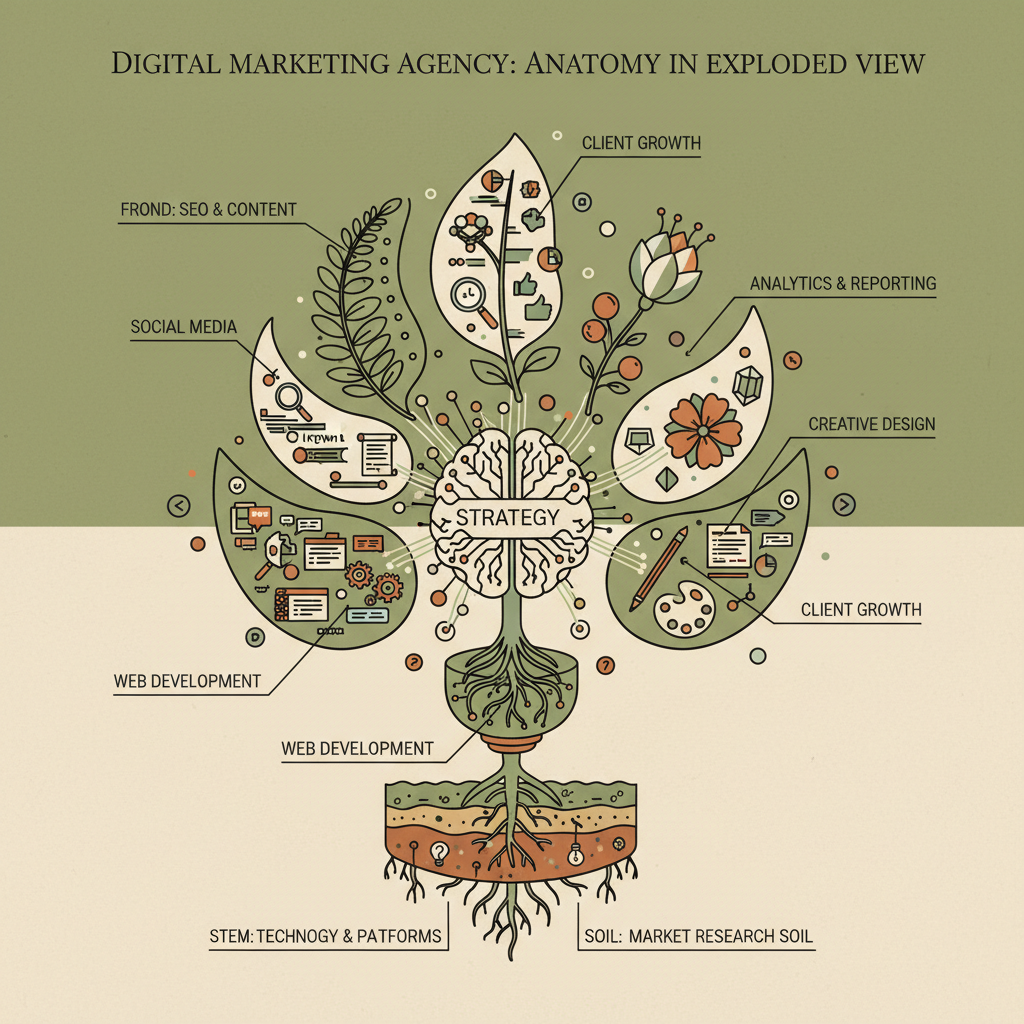
Several core components contribute to a successful digital branding strategy. Firstly, brand identity is paramount – this includes your logo, color scheme, typography, and overall visual style. These elements must be consistent across all platforms to create a recognizable and memorable brand. Secondly, brand messaging defines how you communicate your values, benefits, and unique selling propositions to your audience.
Thirdly, website user experience (UX) plays a critical role. A user-friendly, informative, and visually appealing website is essential for building trust and converting visitors into customers. A slow, confusing, or outdated website can severely damage your brand’s reputation. Fourthly, social media presence offers a direct channel for engaging with your audience, building community, and promoting your brand’s values. Consistent posting of high-quality content is essential.
Finally, search engine optimization (SEO) is crucial for ensuring that your brand is visible to potential customers searching online. Optimizing your website and content for relevant keywords will improve your search engine rankings and drive organic traffic. These five components working in harmony deliver a powerful digital branding strategy.
Global Applications of Digital Branding
The applications of digital branding are vast and varied, extending across numerous industries and geographic regions. In the e-commerce sector, brands like Amazon and Alibaba have mastered the art of creating personalized online experiences, building trust through customer reviews, and leveraging data analytics to optimize their marketing efforts. In the hospitality industry, hotel chains like Marriott and Hilton utilize digital channels to showcase their properties, offer online booking services, and manage their online reputations.
In emerging markets, digital branding is proving to be particularly transformative. In Africa, for example, mobile-first digital branding strategies are enabling businesses to reach a wider audience and overcome infrastructure limitations. Small and medium-sized enterprises (SMEs) are leveraging social media platforms to connect with customers, build brand awareness, and drive sales.
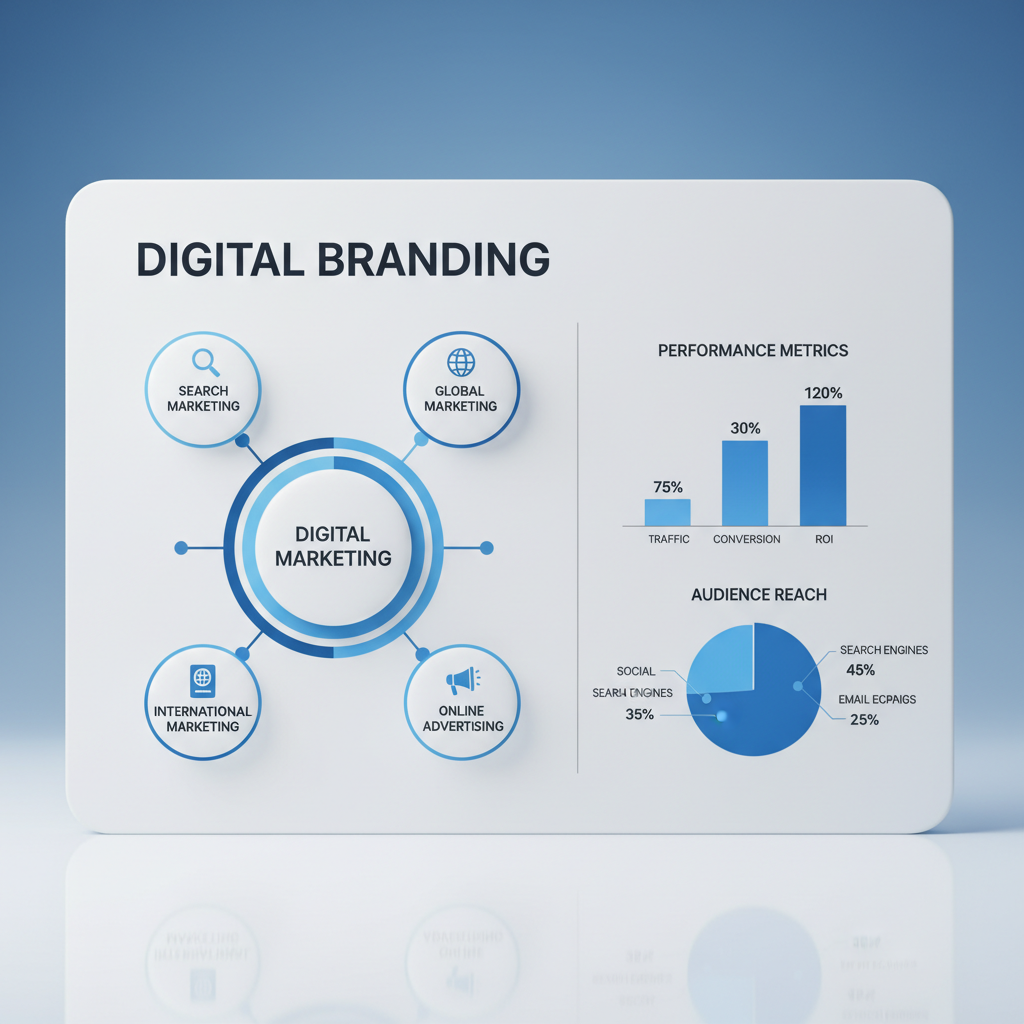
Digital Branding Effectiveness by Method
Advantages and Long-Term Value of Digital Branding
Investing in digital branding offers a multitude of tangible and intangible benefits. Tangibly, it reduces marketing costs by attracting organic traffic through SEO, increases customer lifetime value through brand loyalty, and enhances conversion rates through targeted messaging. It’s a cost-effective way to reach a global audience.
Intangibly, a strong digital brand builds trust, enhances credibility, and fosters emotional connections with customers. This leads to increased brand advocacy, positive word-of-mouth marketing, and a stronger overall brand reputation. It provides a sense of security and reliability to consumers navigating the digital landscape.
Future Trends in Digital Branding
The landscape of digital branding is constantly evolving. Emerging technologies like artificial intelligence (AI) and machine learning (ML) are enabling businesses to personalize customer experiences, automate marketing tasks, and gain deeper insights into consumer behavior. The metaverse is creating new opportunities for brands to connect with audiences in immersive virtual environments.
Another significant trend is the growing emphasis on sustainability and social responsibility. Consumers are increasingly drawn to brands that align with their values and demonstrate a commitment to environmental and social causes. Authenticity, transparency, and purpose-driven branding are becoming essential for building trust and loyalty.
Finally, the rise of voice search and smart speakers is reshaping how consumers interact with brands online. Businesses need to optimize their content for voice search and develop strategies for engaging with customers through voice-activated devices.
Challenges and Solutions in Digital Branding
Despite its benefits, digital branding isn’t without its challenges. One common obstacle is maintaining brand consistency across multiple digital channels. This requires careful planning, clear brand guidelines, and effective communication. Another challenge is managing online reputation and responding to negative feedback.
To overcome these challenges, businesses can invest in brand management tools, implement a robust social media monitoring system, and develop a crisis communication plan. Prioritizing data privacy and security is also essential, given the increasing concerns about data breaches and cyber threats.
Furthermore, the constant algorithm changes of social media platforms require ongoing adaptation and experimentation. Staying informed about the latest digital marketing trends and investing in continuous learning are crucial for long-term success.
Key Digital Branding Challenges and Solutions
| Challenge |
Impact on Branding |
Solution |
Implementation Cost (1-10) |
| Inconsistent Brand Messaging |
Erodes Trust and Brand Recognition |
Develop Comprehensive Brand Guidelines |
3 |
| Negative Online Reviews |
Damages Brand Reputation and Sales |
Proactive Reputation Management and Response |
5 |
| Algorithm Changes |
Decreased Organic Reach and Visibility |
Continuous SEO Monitoring and Adaptation |
7 |
| Data Privacy Concerns |
Loss of Customer Trust and Legal Penalties |
Implement Robust Data Security Measures |
8 |
| Lack of Brand Differentiation |
Difficulty Standing Out from Competitors |
Develop a Unique Value Proposition |
4 |
| Poor Website UX |
High Bounce Rate and Lost Conversions |
Optimize Website for Usability and Speed |
6 |
FAQS
Brand identity comprises the visual elements (logo, colors, typography) that define your brand’s look and feel. Digital branding encompasses how that identity is communicated and experienced across all online touchpoints—website, social media, content, etc. Think of identity as ‘what you show,’ and branding as ‘how you’re perceived.’ A strong identity is a part of effective digital branding.
Social media is critically important. It's a direct channel for engaging with your audience, building community, and showcasing your brand’s personality. However, it's not just about being on social media; it’s about consistently creating valuable content, responding to comments and messages, and managing your online reputation. A well-executed social media strategy dramatically boosts digital branding.
Success can be measured through various metrics, including website traffic, social media engagement (likes, shares, comments), brand mentions, search engine rankings, lead generation, and ultimately, sales. Utilize analytics tools to track these metrics and identify areas for improvement. Brand sentiment analysis also provides valuable insights.
Content marketing is central to digital branding. High-quality, relevant, and engaging content – blog posts, articles, videos, infographics – attracts your target audience, establishes you as a thought leader, and builds trust. Content should be optimized for search engines to increase visibility and reach.
Digital branding isn't a ‘set it and forget it’ process. It should be reviewed and updated at least annually, or more frequently if there are significant changes in the market, consumer behavior, or your business goals. Regularly monitoring your performance and adapting your strategy ensures continued relevance and effectiveness.
Respond promptly and professionally. Acknowledge the issue, apologize if necessary, and offer a solution. Take the conversation offline if possible. Ignoring negative feedback can further damage your brand. Turning a negative experience into a positive one demonstrates excellent customer service and builds trust.
Conclusion
In conclusion, digital branding is a crucial element of success in today’s competitive marketplace. It encompasses all online interactions, shaping perception, building trust, and ultimately driving business growth. A well-defined and consistently executed digital branding strategy is an investment that yields significant returns, enhancing brand equity and fostering long-term customer loyalty.
Looking ahead, businesses must embrace emerging technologies, prioritize data privacy, and remain adaptable to evolving consumer behaviors. By proactively managing their digital identity and consistently delivering value, brands can build lasting relationships with their audiences and secure a sustainable future. Visit our website: www.ecglobaladvisor.com to learn more about how we can help you elevate your digital branding.