

Global Expansion of E& C Chinese Heavy Trucks in Modern Logistics and Infrastructure
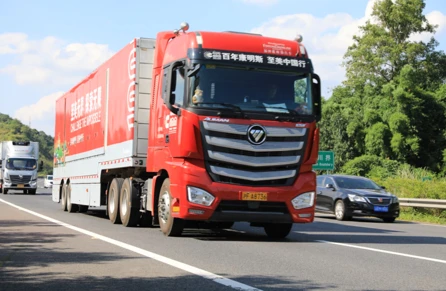
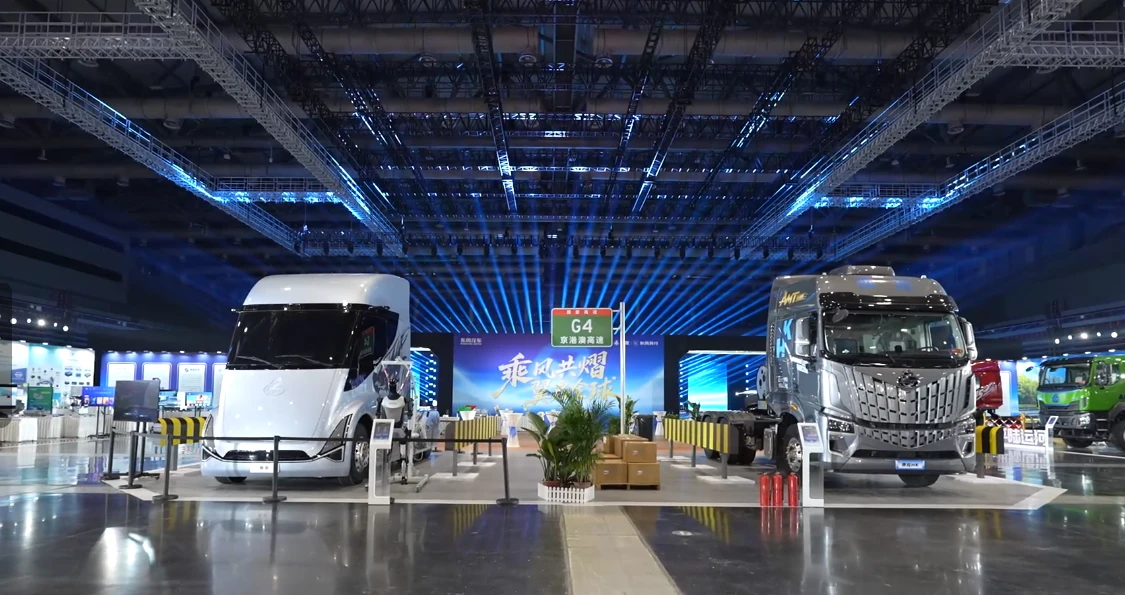
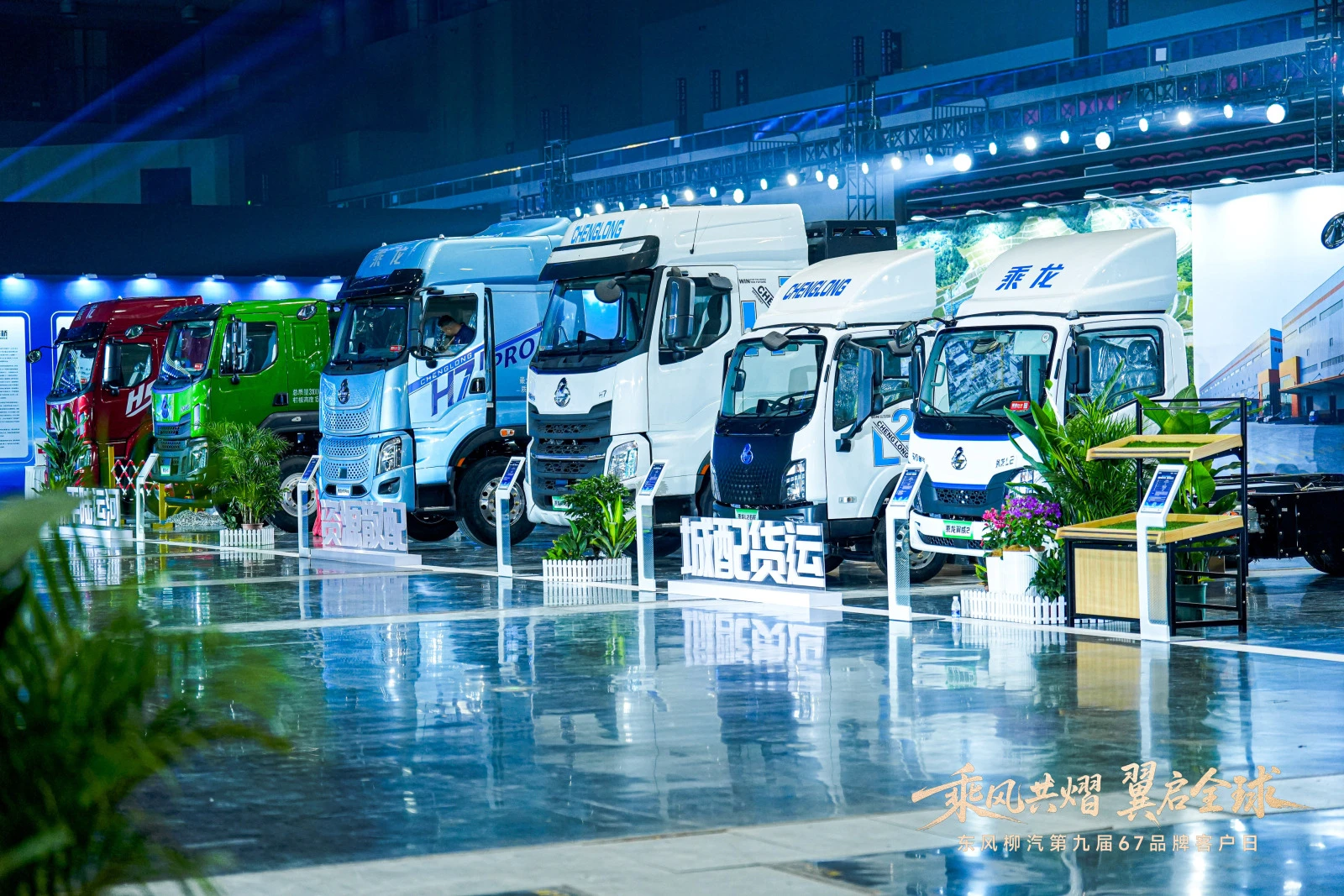
The global commercial vehicle landscape has evolved dramatically over the past decade, driven by growing e-commerce activity, infrastructure investments, and shifting logistics models that demand higher productivity at lower operational cost. Within this transformation, E& C chinese heavy trucks have emerged as a powerful contender in both developing and established markets. Supported by China’s sophisticated manufacturing ecosystem, modern supply chains, and competitive export pricing, E& C chinese heavy trucks now influence decision-making among fleet operators, construction firms, hauling services, and industrial transport networks on multiple continents.
From mining operations in Africa to cargo logistics in Southeast Asia and construction support in the Middle East, E& C chinese heavy trucks are increasingly recognized for durability, affordability, and operational versatility. While early perception of Chinese manufacturing emphasized cost over engineering, the current generation of trucks reflects significant technological upgrades, better compliance with global standards, and improved service accessibility — all key factors shaping purchasing decisions in the heavy-duty vehicle sector.

Engineering, Performance, and Operating Capabilities of E& C Chinese Heavy Trucks
The growth of E& C chinese heavy trucks in international markets is not accidental; it is driven by substantial improvements in engineering, production quality, and performance reliability. These vehicles are designed for real-world operating conditions that include rugged construction environments, high-temperature highways, uneven terrain, and long-haul freight corridors.
1. Powertrain and Mechanical Enhancements
Modern E& C chinese heavy trucks feature powertrains built for high torque output, strong pulling force, and efficient fuel consumption. Turbocharged diesel engines and optimized transmission configurations allow for controlled hauling of heavy loads with lower energy waste. Fleet managers frequently highlight improvements in:
1、Acceleration under load
2、Fuel efficiency during regional freight hauls
3、Engine cooling for high-temperature operations
4、Transmission stability during long-distance drives
To support these advancements, suspension systems and chassis assemblies have been reinforced using high-strength steel and vibration-resistant components. This makes E& C chinese heavy trucks suitable for industries such as quarrying, cement production, container shipping, and large-scale infrastructure projects.
2. Safety Systems and Operator Comfort
As heavy-duty vehicle markets mature, operator comfort and safety have become central priorities. E& C chinese heavy trucks increasingly integrate safety and ergonomic features such as improved braking systems, wide-vision cabins, adjustable seating, insulation for noise reduction, and assisted driving technologies. These elements contribute to better operator productivity and reduced fatigue during long working hours.
Additionally, braking systems and electronic controls are being refined to meet modern regulatory expectations. Anti-lock braking (ABS), traction control systems, and reinforced air braking modules help prevent skidding, improve handling, and enhance road safety — particularly on wet or uneven surfaces.
Global Adoption, Cost Efficiency, and Market Drivers for E& C Chinese Heavy Trucks
While engineering improvements strengthen credibility, market adoption of E& C chinese heavy trucks is also heavily influenced by macroeconomic and operational cost factors.
1. Competitive Total Cost of Ownership (TCO)
For fleet operators, the total cost of ownership determines profitability. E& C chinese heavy trucks offer competitive TCO through:
Lower acquisition costs versus European and Japanese brands
Affordable maintenance and spare parts
Reduced downtime due to simpler mechanical systems
Strong fuel-to-load performance ratios
These cost advantages are particularly valuable for small and mid-sized enterprises in developing regions, where access to financing is limited and fleet expansion must be budget-conscious.
2. International Export Growth and After-Sales Support
China has developed a mature export ecosystem designed to support commercial vehicles. E& C chinese heavy trucks benefit from this infrastructure through:
Efficient maritime shipping routes
Trade cooperation agreements
Overseas dealership networks
Standardized spare parts distribution
Markets such as Africa, Southeast Asia, Eastern Europe, and South America have seen rapid increases in adoption due to robust after-sales support and localized servicing capabilities. As parts become easier to obtain, concerns about maintenance delays and equipment downtime have gradually diminished.
3. Alignment with Global Standards
To strengthen international competitiveness, manufacturers of E& C chinese heavy trucks have improved compliance with emissions and safety standards including:
Euro emission stages
Noise regulations
Structural safety compliance
ISO quality certifications
This compliance ensures that exported trucks are not limited to low-regulation regions but can also serve ports, municipalities, and large enterprises that require certified equipment.
Conclusion
The global rise of E& C chinese heavy trucks reflects a combination of improved engineering, affordability, export efficiency, and strengthened support networks. These trucks are no longer perceived only as cost-saving alternatives, but rather as reliable assets capable of serving diverse industries such as logistics, mining, infrastructure development, and industrial transport. As China continues investing in automation, clean vehicle technologies, and international logistics, the export presence of E& C chinese heavy trucks is expected to grow even stronger. For fleet owners and enterprises seeking dependable heavy-duty solutions with balanced performance and manageable ownership costs, these trucks represent a strategic and forward-looking investment.
Frequently Asked Questions
Q1: What industries commonly use E& C chinese heavy trucks?
A: They are widely used in mining, logistics transportation, construction material hauling, municipal operations, and industrial supply chains.
Q2: Are E& C chinese heavy trucks reliable for long-distance hauling?
A: Yes. Their reinforced chassis, improved powertrains, and operator comfort features make them suitable for cross-regional and cross-border freight operations.
Q3: Why are E& C chinese heavy trucks more affordable than other brands?
A: China’s large-scale manufacturing ecosystem, domestic component supply, and streamlined production allow lower acquisition costs without sacrificing durability.
Q4: Do E& C chinese heavy trucks meet international standards?
A: Many exported models comply with global emissions, safety, and performance regulations depending on destination requirements.
Q5: How easy is it to maintain E& C chinese heavy trucks outside of China?
A: Maintenance has become easier due to overseas dealership networks, improved spare parts distribution, and service training programs offered to international partners.










-
 Jun. 30, 2025
 -
 May. 14, 2025
 -
 Jul. 07, 2025
 -
 Jun. 30, 2025
 -
 Jun. 30, 2025
 -
 Jun. 30, 2025