

How E& C Chinese Made Trucks Are Shaping the Future of Global Commercial Transportation
Over the past decade, global transportation, construction, and logistics sectors have experienced rapid modernization. These industries require vehicles that combine cost-efficiency, durability, and adaptability. As a result, China has emerged as one of the most influential commercial truck manufacturing hubs. Among its key contributors are E& C chinese made trucks, which have gained traction not only domestically but also across international markets. Designed to serve a wide range of operational needs—from long-haul freight and agricultural transport to construction logistics—E& C chinese made trucks are increasingly recognized as a practical and strategic asset for companies seeking reliable and affordable mobility solutions.
The appeal of E& C chinese made trucks stems from China’s well-developed manufacturing ecosystem, which integrates automotive engineering, large-scale production, and export-ready logistics infrastructure. While Western and Japanese brands previously dominated the heavy truck segment, rising ownership costs, fluctuating fuel prices, and budget constraints have pushed fleet operators to explore alternatives. In this environment, E& C chinese made trucks offer a compelling value proposition based on performance, affordability, and service adaptability. This article explores how these trucks are designed, where they are used, and why they continue to expand globally at a remarkable pace.

Engineering Features and Practical Applications of E& C Chinese Made Trucks
The success of E& C chinese made trucks is rooted in manufacturing advancements that align engineering with real-world operational demands. Whether deployed in rural agricultural regions or busy industrial corridors, these trucks are built to perform reliably under varied working conditions.
1. Powertrain, Performance, and Efficiency
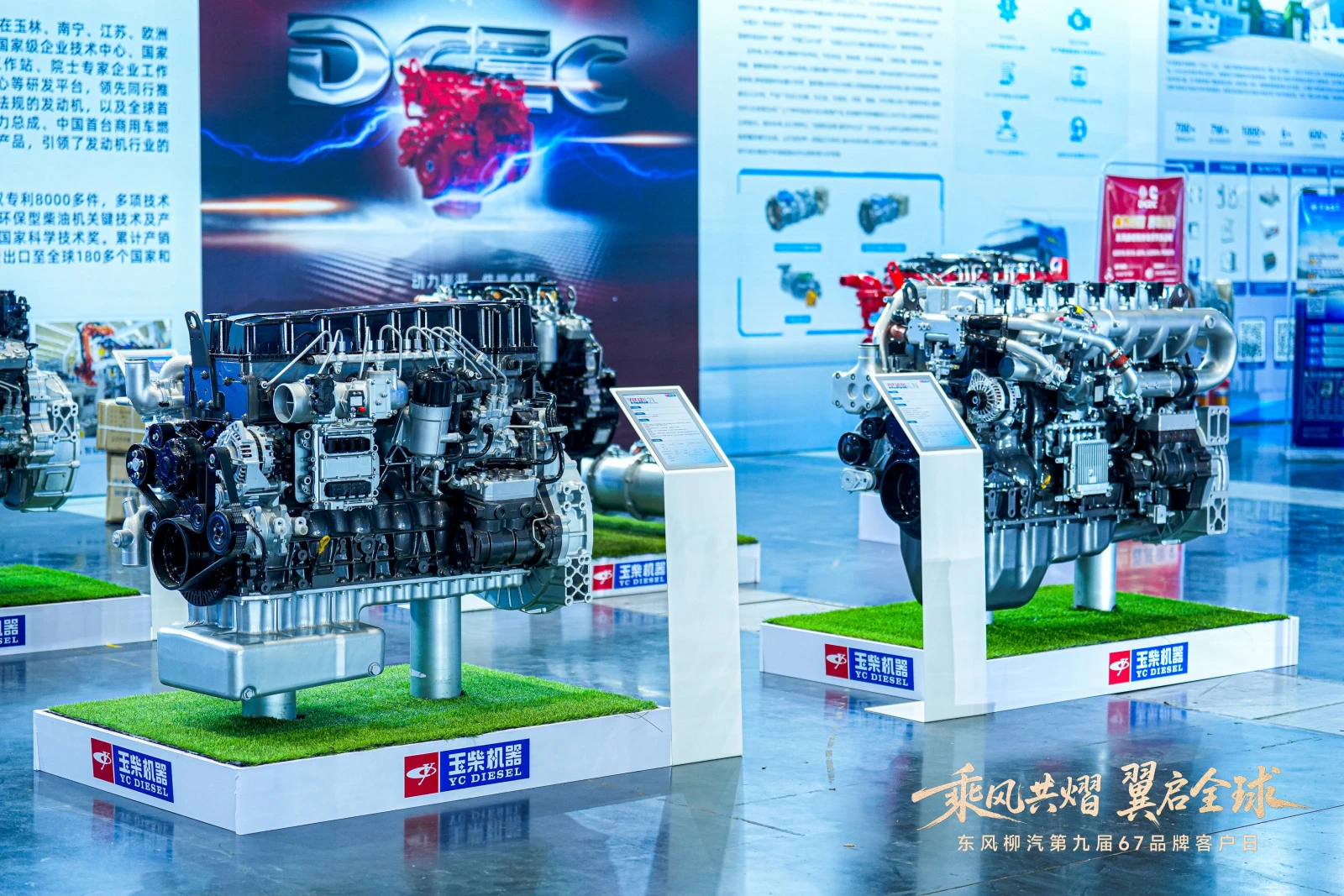
Modern E& C chinese made trucks are equipped with efficient diesel engines optimized for torque delivery and fuel conservation. Electronic control units, turbocharged systems, and improved transmission designs help operators manage heavy loads with reduced fuel consumption. These features are particularly valued in industries where trucks operate continuously for long hours, such as container shipping, intercity freight, and mining support.
Improved cooling systems and reinforced engine components allow E& C chinese made trucks to operate effectively in both high-temperature regions and mountainous environments. This adaptability has made them suitable for export into regions such as Africa, Southeast Asia, South America, and Eastern Europe—markets where temperature extremes and diverse road conditions are common.
2. Versatility Across Commercial and Industrial Sectors
One of the distinguishing strengths of E& C chinese made trucks is their configuration versatility. They are manufactured in multiple body types such as:
Cargo and flatbed trucks
Dump and tipper trucks
Tractor and semi-hauler units
Refrigerated logistics trucks
Municipal service vehicles
Agricultural support trucks
This versatility simplifies purchasing decisions for fleet owners who need trucks that match specific industrial tasks without requiring expensive post-purchase modification. For construction firms, dump and tipper variants provide dependable hauling capacity, while logistics companies value the tractor units and cargo models for cross-border shipping.
In agricultural markets, E& C chinese made trucks support farm-to-market food distribution and bulk material hauling. Meanwhile, municipal governments in developing regions use them for waste collection, infrastructure projects, and public utility operations. This wide-ranging applicability proves that E& C chinese made trucks are not just low-cost alternatives but functional assets that integrate well into diverse commercial ecosystems.
Global Expansion, Economic Value, and Market Drivers for E& C Chinese Made Trucks
Beyond engineering advantages, the broader success of E& C chinese made trucks can be understood by examining macroeconomic conditions, international trade logistics, and evolving fleet management priorities.
1. Total Cost Advantages and Accessibility
Total cost of ownership (TCO) is one of the strongest market drivers behind E& C chinese made trucks. TCO includes upfront cost, fuel usage, maintenance expenses, operational downtime, and eventual resale value. Compared to Western or Japanese brands, E& C chinese made trucks offer:
Lower acquisition and financing costs
Affordable spare parts and components
Reduced downtime due to simplified mechanical systems
Competitive fuel efficiency for mid-to-heavy hauling
For small and medium-sized enterprises, minimizing capital expenditure on trucks allows funds to be redirected toward business expansion, warehouse investment, or additional personnel. This financial flexibility makes E& C chinese made trucks particularly appealing in emerging markets where credit access is limited and cost control is essential.
2. Shipment Logistics, Compliance, and Export Networks
China has spent decades strengthening its export infrastructure, including port capabilities, customs support, bonded warehouses, and trade agreements. As a beneficiary of this ecosystem, E& C chinese made trucks can be exported relatively quickly and efficiently. Furthermore, manufacturers have expanded dealership networks and spare part distribution centers in overseas regions to build customer confidence.
Regulatory compliance has also improved. Export models of E& C chinese made trucks may undergo emissions certification, safety evaluation, and documentation preparation based on target country requirements. This enables deployment not only in developing nations but also in regions with stricter regulatory environments.
Conclusion
The global rise of E& C chinese made trucks demonstrates how modern transportation demands are reshaping the commercial vehicle landscape. With balanced performance, versatile configurations, and favorable total ownership costs, these trucks have earned strong positioning across logistics, construction, agriculture, and municipal sectors. As international trade expands and fleet requirements grow more cost-sensitive, E& C chinese made trucks are poised to continue serving as strategic assets for businesses seeking reliable transportation solutions without incurring excessive capital burden. With ongoing improvements in engineering, emissions control, and global service integration, the future outlook for E& C chinese made trucks remains promising across diverse global markets.
Frequently Asked Questions (FAQ)
Q1: What industries commonly use E& C chinese made trucks?
A: They are widely used in logistics, construction, mining, agriculture, infrastructure development, and municipal services due to their versatility and affordability.
Q2: Are E& C chinese made trucks reliable for daily commercial use?
A: Yes. Their powertrains, reinforced chassis, and simplified mechanical systems make them suitable for continuous industrial operation with manageable maintenance requirements.
Q3: Why do businesses choose E& C chinese made trucks over Western brands?
A: Many businesses choose them for lower acquisition costs, competitive fuel performance, easier maintenance, and strong configuration options tailored to practical working environments.
Q4: Can E& C chinese made trucks be exported internationally?
A: Yes. China maintains robust export logistics, and these trucks are shipped worldwide with compliance certification based on destination market regulations.
Q5: Are spare parts available for E& C chinese made trucks outside China?
A: Spare parts availability has improved significantly as manufacturers expand dealership networks, training programs, and parts distribution systems across international markets.









-
 Jun. 30, 2025
 -
 Jun. 30, 2025
 -
 Jul. 07, 2025
 -
 May. 29, 2025
 -
 Jun. 30, 2025
 -
 Jul. 07, 2025